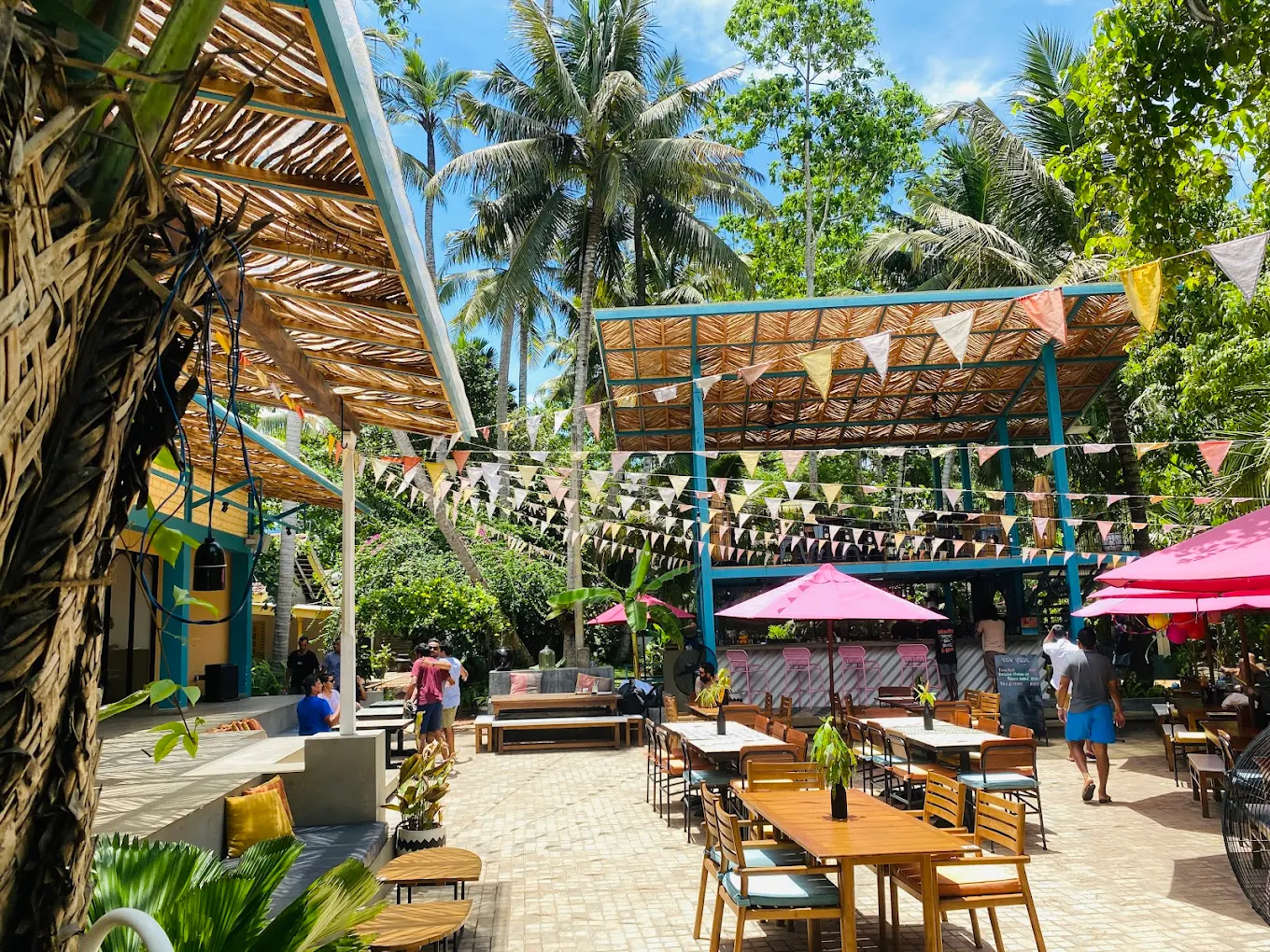

A growing number of couples, Indian couples especially, are choosing Sri Lanka's south coast for their wedding rather than just their honeymoon, and it is easy to understand why. Colonial-era fort walls, beaches that photograph beautifully at golden hour, boutique villas with genuine character, and a flight time from much of South Asia that makes it realistic for a full guest list to travel.
If you have read our Honeymoon guide, this is a different question entirely, not where to go after the wedding, but where to actually hold it. Here is the honest, practical version, what is legally required, where couples actually get married on this coast, and how to think about planning one from a distance.
Why couples are choosing the south coast for weddings
A few genuine factors line up here. Galle Fort offers a setting with real historic character that few destination wedding locations can match without feeling staged. The coastline between Galle and Tangalle has a dense concentration of boutique villas and small luxury properties able to host anywhere from an intimate ceremony to a multi-day celebration with a large guest list. And for Indian couples specifically, Sri Lanka's proximity, improved connectivity, and relatively straightforward entry requirements make it one of the more realistic international wedding destinations available, close enough that even older relatives can reasonably travel.
Legal requirements for foreigners marrying in Sri Lanka
This is worth getting right before you plan around it, since it shapes your timeline directly.
Minimum residency before giving notice. Sri Lankan law generally requires at least four days, three nights, of physical presence in the country before a marriage registrar can be formally notified of your intent to marry. This requirement has been consistently reported across official and embassy sources.
A waiting period after notice. Once notice has been given, a further waiting period generally applies before the marriage can actually be registered, though reported timeframes vary by source, from as little as 24 hours in some circumstances to a more standard period of around 14 days in others. Confirm the current exact requirement directly with a local wedding planner or the relevant Divisional Secretariat well in advance, since this detail genuinely affects how far ahead you need to arrive.
Required documents generally include valid passports, original birth certificates, and, if either party has been previously married, an original divorce decree or death certificate for a previous spouse, with documents sometimes needing prior certification or legalisation depending on your home country.
Many couples choose a different, simpler route. A significant number of destination wedding couples hold a ceremonial, non-legally-binding wedding in Sri Lanka, the actual event, the photos, the celebration, and register the marriage legally in their home country either before or after travelling. This genuinely simplifies planning considerably, since it removes the residency and notice timeline from your critical path entirely, and it is worth discussing with your planner as an option alongside a fully legal Sri Lankan registration.
Popular areas for a south coast wedding
Galle Fort
For couples who want colonial architecture and genuine historic atmosphere, a handful of boutique properties within or just outside the fort walls can host smaller, more intimate weddings, generally better suited to guest lists of 50 or fewer given the fort's limited large-venue capacity.
Weligama and Mirissa
A wider range of beachfront villas and boutique hotels here can accommodate larger weddings, with direct beach access for a ceremony and more flexible space for a reception, generally the better choice for a larger guest list.
Tangalle and the quieter south
For couples who want more privacy and a genuinely secluded setting, the villas and boutique properties around Tangalle offer that at the cost of a longer transfer for guests arriving via Colombo.
When is the best time for a south coast wedding?
November through April, the main dry season, is the obvious and most popular choice, calm seas, reliable sunshine, and the best conditions for an outdoor beach ceremony. Within that window, February and March offer a slightly better balance of good weather and lower peak-season pricing than December and January.
If your guest list and budget allow flexibility, avoiding the Christmas and New Year peak specifically can meaningfully reduce accommodation costs for a larger group, since venue and villa pricing on this coast rises significantly during that exact window.
Planning a wedding on this coast from a distance
This is genuinely one of the harder parts of a destination wedding anywhere, and Sri Lanka is no exception. A local wedding planner, rather than attempting to coordinate vendors, catering, decor and logistics entirely from abroad, is worth the cost for most couples, particularly for a larger event.
Key things to lock in early given how far ahead good venues and vendors book during peak season:
Venue, generally the first booking to make, since the better boutique properties and villas on this coast fill up a year or more ahead for peak season dates.
Guest accommodation, particularly for a larger wedding, since you may need to block multiple nearby properties rather than fitting everyone into a single venue.
Transport logistics from Colombo, since most international guests will be arriving at Bandaranaike International Airport and need a clear plan for the roughly two to three hour transfer south.
What does a south coast wedding typically cost?
Costs vary enormously depending on guest numbers, venue choice and how elaborate the event is, from a genuinely affordable intimate ceremony for a handful of guests to a significant, multi-day celebration with a large guest list. As a general guide, expect costs to scale closely with how many nights of accommodation and how much catering and decor a larger guest list requires, rather than venue hire alone driving the bulk of the budget. Get a detailed quote from a local planner rather than relying on a single average figure, since the range here is genuinely wide.
A few things I would know before planning a south coast wedding
Do not assume legal registration and your ceremony need to happen on the same trip.
Many couples hold the ceremony in Sri Lanka and register the marriage legally at home, which removes real timeline pressure from your planning.
Do not book a venue without confirming its actual guest capacity for a wedding specifically, not just overnight rooms.
A villa that sleeps 20 comfortably may not have the space to host a 100-guest reception. Confirm both numbers separately.
Do not underestimate transfer logistics for a large guest list.
Coordinating airport pickups and transfers for dozens of international guests takes real planning, generally best handled by a local planner or dedicated transport coordinator rather than informally.
Do not skip a local wedding planner to save cost on a large event.
The value they add in vendor relationships, local knowledge and problem-solving on the day is genuinely difficult to replicate coordinating entirely from abroad.
Is the south coast worth it for a destination wedding?
Yes, particularly if a genuinely beautiful, characterful setting matters more to you than minimising guest travel time. Galle Fort, the beaches around Weligama and Mirissa, and the quieter villas further south each offer something a conventional wedding venue back home simply cannot.
Get the legal timeline sorted early, book your venue well ahead of peak season, and lean on local expertise for everything else.
Frequently asked questions about south coast destination weddings
Can foreigners legally get married in Sri Lanka?
Yes. Foreigners can legally marry in Sri Lanka, generally requiring a minimum of four days' residency before giving notice to a marriage registrar, followed by a further waiting period before registration, alongside specific documentation including passports and birth certificates.
Do you have to legally register your marriage in Sri Lanka?
No. Many destination wedding couples hold a ceremonial wedding in Sri Lanka and register the marriage legally in their home country instead, which simplifies planning by removing the residency and notice timeline from the critical path.
What is the best time of year for a south coast wedding?
November through April offers the most reliable weather, with February and March generally providing the best balance of good conditions and lower pricing than the December to January peak season.
Where are the best wedding venues on the south coast?
Galle Fort suits smaller, more intimate weddings with historic character. Weligama and Mirissa offer a wider range of beachfront venues suited to larger guest lists. Tangalle and the quieter south offer more privacy for couples prioritising seclusion.
Should I hire a local wedding planner for a south coast wedding?
Yes, for most couples, particularly for a larger event. A local planner's vendor relationships and on-the-ground problem-solving are difficult to replicate coordinating entirely from abroad.
Final thoughts
A wedding on this coast asks for more planning than a stay-at-home ceremony, and it rewards that effort with a setting few conventional venues can match, fort walls, palm-lined beaches, and a sunset that does genuine work for your photos without any help from a planner.
Get the legal timeline sorted early, decide whether you are registering here or at home, and let a local planner handle the rest.