Every beach on this coast looks inviting in a photo. Not every beach is equally safe to swim at, and the difference matters more than most itineraries let on. Rip currents are a genuine, recurring cause of serious incidents on this coast, including fatalities among both tourists and locals, and the risk varies significantly from beach to beach and month to month.
This is the honest version, which beaches are generally more protected, which carry real currents, and how to actually judge conditions on the day rather than relying on a beach's reputation alone.
Why does this vary so much between beaches?
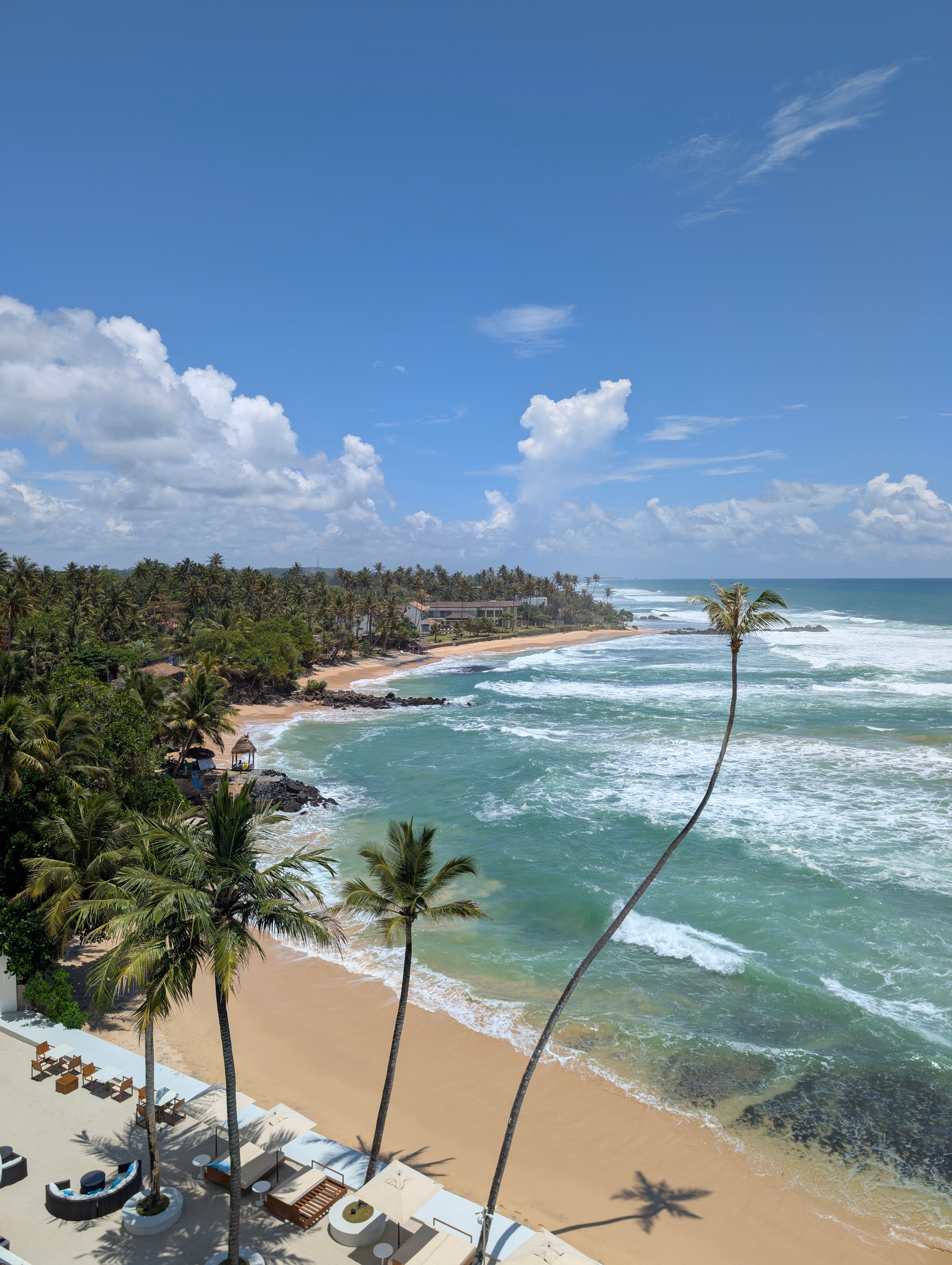
The south coast is not one continuous, uniform shoreline. Some beaches sit inside a bay or behind a reef, which breaks up incoming swell and creates calmer, more predictable water. Others are open to the full force of the Indian Ocean, with no natural barrier, and can develop strong rip currents, especially where a beach narrows, where a river or lagoon meets the sea, or around rocky points.
Conditions also change with the season. The southwest monsoon, roughly May through September, brings rougher seas across the whole coast, while the main dry season, November through April, generally offers calmer water, though even then, conditions can shift day to day with swell and wind.
What is a rip current, and how do you recognise one?
A rip current is a narrow, fast-moving channel of water flowing away from the shore, strong enough to pull even a confident swimmer out to sea quickly. It often looks deceptively calm on the surface, sometimes calmer than the surrounding whitewater, which is part of why it catches people out.
Signs of a possible rip current include a channel of choppier, discoloured or foamy water cutting through the waves, a gap in the incoming wave pattern, or debris and foam moving steadily out to sea rather than in toward shore.
If you get caught in one: do not swim directly against it toward shore, you will likely exhaust yourself. Swim parallel to the shore until you are out of the current, then angle back in, or simply float and signal for help if you are struggling. Panic is the biggest additional risk once you are actually caught in one.
A beach-by-beach honest breakdown
Treat every entry below as a general pattern, not a guarantee. Conditions change daily with swell, wind and tide, and the single most reliable thing you can do at any beach is ask locally, at your guesthouse, at a beach bar, from a lifeguard if one is present, before swimming somewhere unfamiliar.
Unawatuna
Generally one of the more protected swimming beaches on this coast, sitting inside a curved bay that breaks up much of the open ocean swell. Considered comfortably swimmable for most of the year, though conditions can still roughen during the monsoon months.
Jungle Beach, near Unawatuna
Small and generally calm in typical conditions, though it can develop a noticeable current in rougher weather. Check conditions on arrival rather than assuming it mirrors Unawatuna's main beach exactly.
Weligama Bay
A wide, gently shelving bay that is a large part of why it became the country's leading beginner surf destination, the same qualities that make it forgiving for new surfers generally make it a comparatively safer swimming beach too, particularly toward the calmer centre of the bay.
Mirissa
Mirissa's main beach is more exposed than Weligama's bay and has a real history of rip current incidents, particularly at the eastern end near the rocks and during rougher swell periods. Swim in the more central, supervised sections where possible, and treat calm-looking water with real caution rather than assumption.
Kabalana Beach, Ahangama
A mixed picture. The calmer end near the softer whitewater break is more forgiving for swimming, while the reef break sections further out are for surfing, not casual swimming, and carry real current risk around the reef itself.
Hikkaduwa
The reef running close to shore at Hikkaduwa provides a degree of natural protection for the shallower swimming and snorkelling areas directly behind it, generally calmer than fully open beaches, though currents can still develop, particularly at low tide or in rougher weather.
Polhena, near Matara
Generally considered one of the calmer, more reliably swimmable spots on the whole coast, thanks to a natural reef that creates a shallow, protected pool close to shore. A good option for families and less confident swimmers, particularly at low tide.
Hiriketiya
The centre of the horseshoe bay is comparatively sheltered, while the reef breaks on either side are surf zones with real current activity around them. Stick to the central section if you are swimming rather than surfing, and be aware the small, enclosed shape of the bay does not automatically mean it is risk-free.
Talalla
A beautiful, less developed beach, and also a more exposed one. Currents here can be genuinely strong, particularly outside the calmer months, and it sees far fewer people around to help if something goes wrong. Exercise real caution, and do not swim alone if conditions look at all uncertain.
Dickwella
A mixed coastline with some more sheltered sections and some more exposed, open stretches. Ask locally about the specific section you are at, since conditions can differ noticeably along a fairly short stretch of this coast.
Tangalle
Tangalle's beaches are genuinely beautiful and genuinely more exposed than the bay-protected beaches further west. Currents can be strong here, and this stretch of coast has seen serious incidents. Treat it with real respect, and check conditions before swimming, particularly away from the more sheltered pockets near guesthouses.
Beaches better suited to families and less confident swimmers
Based on the general patterns above, Weligama Bay, Polhena and, on calmer days, Unawatuna tend to be the more forgiving options for children, less confident swimmers, or anyone who wants a lower-risk swimming experience. None of these are risk-free in all conditions, but they are the more consistently sheltered spots on this coast.
When is the sea generally calmer?
The main dry season, roughly November through April, brings calmer conditions across most of the coast, with December through March often the most reliably swimmable stretch. The southwest monsoon, May through September, brings rougher seas across the board, and this is when caution matters most, even at beaches that feel calmer during peak season.
A few things I would know about swimming safety here
Do not judge safety purely by how the water looks.
A rip current can look calmer than the surrounding surf, not rougher. Visual calm is not the same as safe.
Do not assume a beach is safe simply because it is popular or well-photographed.
Popularity reflects beauty and convenience, not necessarily swimming safety. Mirissa and Tangalle are both genuinely popular and both carry real current risk in the wrong conditions.
Do not swim alone at an unfamiliar beach, especially outside the dry season.
Having someone else aware of where you are, and ideally in the water or nearby, matters more than most visitors assume until it matters a great deal.
Do not ignore local warnings or flags where present.
If a guesthouse host, lifeguard or local specifically tells you not to swim somewhere that day, take it seriously even if the water looks fine to you.
Is any south coast beach guaranteed safe?
No, and it is worth being honest about that rather than offering false reassurance. Conditions shift daily with swell, wind and tide, even at the generally more protected beaches listed above. The single most reliable safety habit on this coast is asking locally on the day, not relying on a beach's general reputation or what a guide said months ago.
Frequently asked questions about south coast beach safety
Is Mirissa beach safe for swimming?
Mirissa's main beach is more exposed than bay-protected beaches like Weligama, and has a real history of rip current incidents, particularly near the eastern rocks. Swim centrally, and check conditions before entering the water.
Which south Sri Lanka beach is safest for swimming?
Weligama Bay and Polhena near Matara are generally considered among the more consistently sheltered, forgiving beaches on this coast, though conditions can still vary day to day.
What does a rip current look like?
A channel of choppier, discoloured or foamy water cutting through the wave pattern, often appearing calmer than the surrounding surf, with debris or foam visibly moving out to sea rather than in toward shore.
What should you do if caught in a rip current?
Do not swim directly against it toward shore. Swim parallel to the beach until clear of the current, then angle back in, or float and signal for help if you are struggling.
Is south Sri Lanka safe for swimming during the monsoon?
Conditions are generally rougher across the whole coast during the southwest monsoon, roughly May through September, and extra caution is warranted at every beach during this period, even ones considered safer in peak season.
Final thoughts
This coast is genuinely beautiful, and most swims here are completely uneventful. But rip currents are a real, ongoing risk on several of these beaches, and no amount of local charm changes what the water is actually doing on a given day.
Ask before you swim. Stay where locals say it is calmer. And if the water looks even slightly off, trust that instinct over the photo you came here to take.