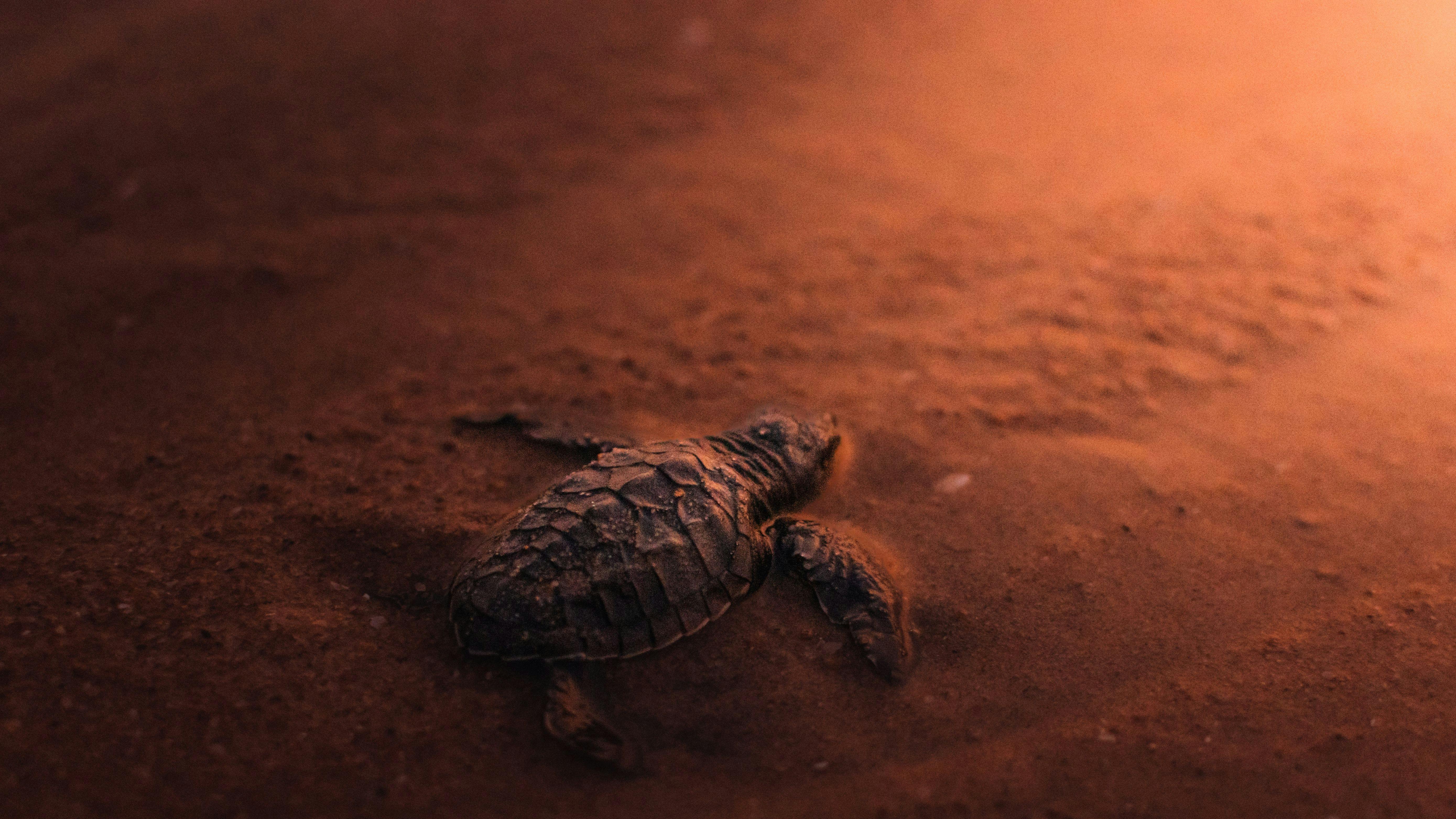
Most visitors know Hikkaduwa for its coral sanctuary and turtle sightings in the shallows. A short boat ride further out, resting in two broken pieces on the seabed, lies one of the south coast's most genuinely interesting dives, the SS Conch, one of the world's earliest purpose-built oil tankers, sunk here in 1903 and now so thoroughly reclaimed by marine life that it functions as an artificial reef in its own right.
If you have read our scuba diving guide for Galle and Unawatuna, this is a different stretch of coast entirely, and a genuinely different kind of dive, less about coral gardens, more about swimming through more than a century of history.
What is the SS Conch?
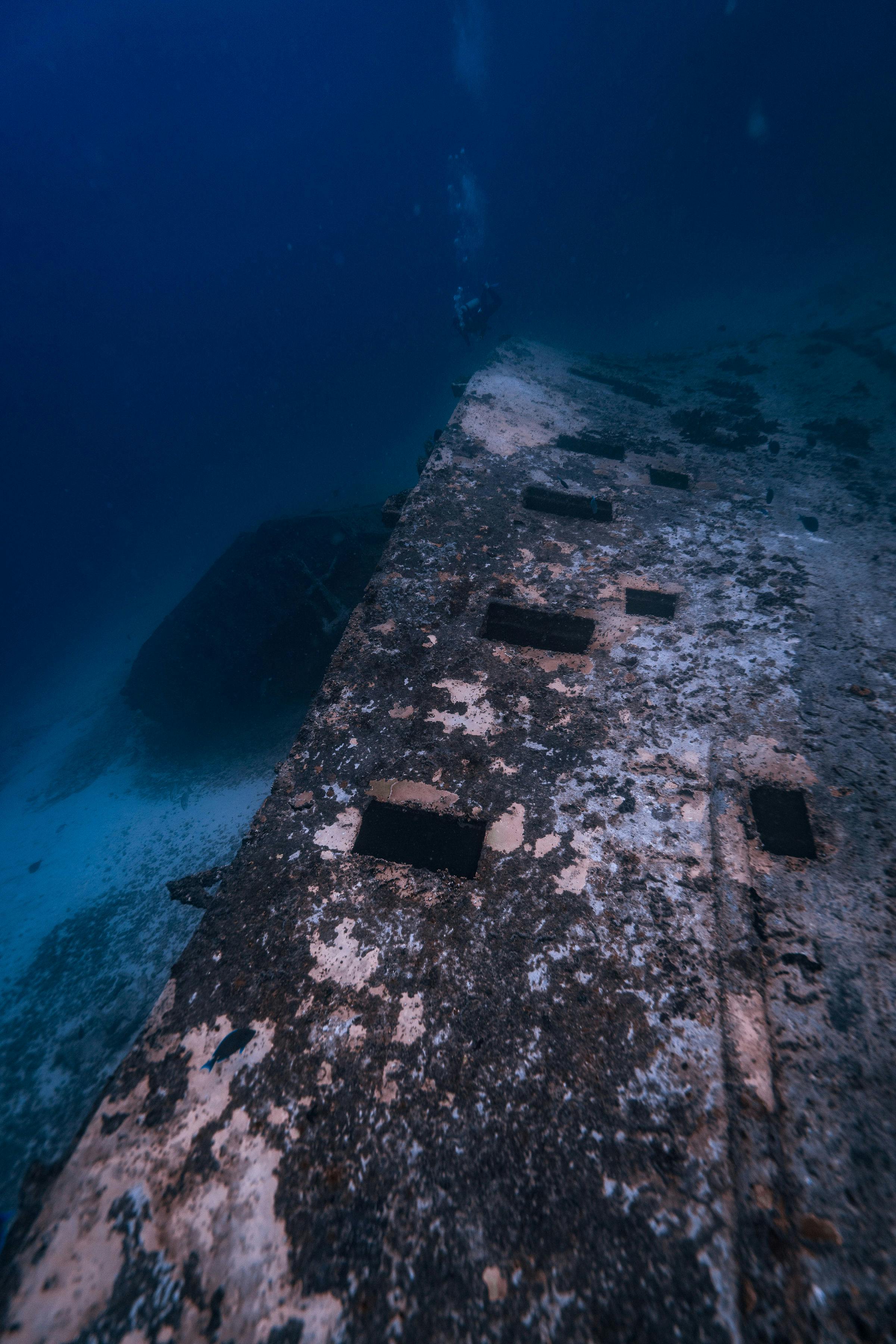
The SS Conch was a British-built oil tanker, among the earliest ships purpose-built to transport bulk oil rather than oil in barrels, a genuinely significant design in early maritime shipping history. In 1903, while carrying a cargo of several thousand tons of oil, she struck the reef at Akkurala, a small stretch of coast just outside Hikkaduwa, and broke in two.
The wreck now rests at a depth of roughly 14 to 21 metres, close enough to shore that most Hikkaduwa-based dive centres can reach it within a short boat ride. Over more than a century underwater, the wreck has become densely colonised by coral and marine life, cuttlefish, titan triggerfish, grouper, lobster and nudibranchs are all regularly spotted among the scattered iron hull sections, engine parts and propeller shafts.
What is it actually like to dive?
The site includes a genuine swim-through section through part of the broken hull, a highlight for many divers, alongside scattered wreckage spread across the seabed where the ship's bow and stern sections separated on impact. Visibility generally runs somewhere between 5 and 15 metres depending on conditions, with water temperatures a comfortable 28 to 29 degrees year-round.
Because the wreck sits across a range of depths and includes both open scattered sections and a more enclosed swim-through, it suits a reasonable range of diver experience, though the deeper and more enclosed sections are best approached with proper wreck diving awareness rather than as a first-ever dive.
The Earl of Shaftesbury, the wreck nearby
A short distance from the Conch lies a second notable wreck, the Earl of Shaftesbury, a four-masted iron sailing ship that capsized and sank in 1893 while en route from Bombay, weighing over 2,000 tons and stretching 85 metres in length. It now rests at a shallower depth of around 14 to 15 metres on flat, sandy seabed, with sections of the hull, masts and cabin still clearly identifiable.
Many dive centres combine both wrecks into a single two-dive trip, since they sit close enough together to visit on the same outing.
Do you need special certification to dive the SS Conch?
A standard Open Water certification is generally sufficient for much of the site, particularly the shallower, more open sections, but the swim-through and deeper areas benefit significantly from a Wreck Diver specialty certification, which several Hikkaduwa dive centres offer specifically using the Conch itself as the training site.
If wreck diving is new to you, booking with a dive centre that offers proper wreck-specific briefing and guidance, rather than treating it as a standard reef dive, is worth the extra attention given the site's structure.
Where to dive the SS Conch
Several established dive centres operate out of Hikkaduwa and the Seenigama area, generally running regular trips out to both the Conch and the Earl of Shaftesbury as standard dive site offerings. Ask at your guesthouse for a current recommendation, or search directly for PADI dive centres in Hikkaduwa, since operators and their specific trip schedules can shift over time.
When is the best time to dive the SS Conch?
November through April, the main south coast dry season, offers the calmest conditions and generally the best visibility, consistent with the broader diving and snorkelling advice across this coast. Outside this window, the southwest monsoon brings rougher water less suited to comfortable wreck diving.
How does this compare to diving near Galle and Unawatuna?
If you have read our guide to scuba diving near Galle and Unawatuna, that stretch of coast is known more for coral reef diving and a broader mix of sites. Hikkaduwa's dive scene, by contrast, is genuinely built around its wrecks specifically, the Conch and the Earl of Shaftesbury chief among them, making it the stronger choice if shipwreck diving specifically, rather than reef diving generally, is what draws you.
A few things I would know before diving the SS Conch
Do not treat the swim-through casually.
Proper wreck diving awareness and, ideally, specific certification matter here. Book with a dive centre that briefs this section properly rather than rushing through it.
Do not expect pristine visibility every dive.
Conditions genuinely vary, generally in the 5 to 15 metre range. A good day here is excellent, an average day is still worthwhile given the wreck itself.
Do not skip the Earl of Shaftesbury if you have time for two dives.
Combining both wrecks into one trip is common practice and gives a genuinely fuller picture of this stretch of coast's maritime history.
Is diving the SS Conch worth it?
Yes, particularly if you are drawn to history as much as marine life. Few dive sites anywhere combine a genuinely significant piece of maritime history, one of the earliest purpose-built oil tankers, with the kind of dense, thriving reef life that more than a century underwater has built around it.
Swim through the hull. Look for the propeller shaft still resting where it settled in 1903.
Frequently asked questions about the SS Conch shipwreck
What is the SS Conch?
The SS Conch was an early British-built oil tanker that struck a reef near Akkurala, close to Hikkaduwa, and sank in 1903, breaking in two. It now rests at 14 to 21 metres depth and is a popular dive site known for its swim-through and dense marine life.
How deep is the SS Conch wreck?
The wreck lies at a depth of roughly 14 to 21 metres, suitable for Open Water certified divers in the shallower sections, with a Wreck Diver specialty recommended for the swim-through and deeper areas.
Where is the SS Conch located?
The wreck sits near Akkurala, a short distance from Hikkaduwa on Sri Lanka's south coast, reachable by a short boat trip from Hikkaduwa or Seenigama-based dive centres.
What other wrecks are near the SS Conch?
The Earl of Shaftesbury, a four-masted iron sailing ship that sank in 1893, rests a short distance away at around 14 to 15 metres, and is commonly combined with the Conch into a single two-dive trip.
When is the best time to dive the SS Conch?
November through April offers the calmest conditions and best visibility, consistent with the broader south coast dive season.
Final thoughts
More than a century ago, an oil tanker hit a reef off this stretch of coast and broke apart. Today, cuttlefish drift through what used to be her engine room, and a titan triggerfish has likely claimed the propeller shaft as its own.
That is the real appeal of the SS Conch, not just a dive site, but more than a hundred years of history that the ocean has slowly, patiently turned into a reef.