A genuine amount of volunteering happens along this coast, turtle conservation, beach cleanups, teaching, and it draws a steady stream of travellers who want their trip to leave something behind rather than just take photographs. That instinct is a good one. The industry built around it, however, is genuinely mixed, and not every programme advertised to tourists is doing what it claims.
This is the honest version, what we would actually recommend, what we would be cautious of, and the specific questions worth asking before you commit time or money to any programme on this coast.
The honest state of turtle conservation volunteering
Turtle conservation is the single most common volunteer activity advertised on this coast, concentrated around Galle, Kosgoda and Ambalangoda, and it is also the one with the most genuine ethical complexity behind it.
Here is the honest picture. Sri Lanka has a real and serious sea turtle conservation need, five of the world's seven sea turtle species nest on this coastline, and poaching, habitat loss and fishing net entanglement are genuine, ongoing threats. At the same time, independent reporting and at least one academic review have raised real concerns about hatchery standards across the country, finding that practices vary considerably between operations, and that not every hatchery marketed to volunteers and tourists follows genuinely rigorous conservation protocols. If you have read our Kosgoda guide, you already know we flagged this same tension there, standards genuinely vary between hatcheries on this exact stretch of coast.
This does not mean turtle volunteering is not worth doing. It means it is worth doing carefully, with real questions asked before you commit, rather than booking the first programme that comes up in a search.
Questions worth asking before joining a turtle conservation programme:
Is the project registered or certified by Sri Lanka's Department of Wildlife Conservation or an equivalent government body, rather than operating independently with no formal oversight?
Are hatchlings released quickly after hatching, generally within a day or two, rather than kept in tanks for extended periods for tourist viewing?
Is handling of eggs and hatchlings limited to trained staff, with volunteers assisting under supervision rather than handling animals freely?
Does the programme genuinely prioritise conservation outcomes over revenue from volunteer fees and tourist visits, and can they explain specifically how your contribution helps beyond paying for access?
A programme that answers these clearly and does not get defensive is a meaningfully better sign than one that avoids the questions.
Beach cleanups: the most straightforwardly good option
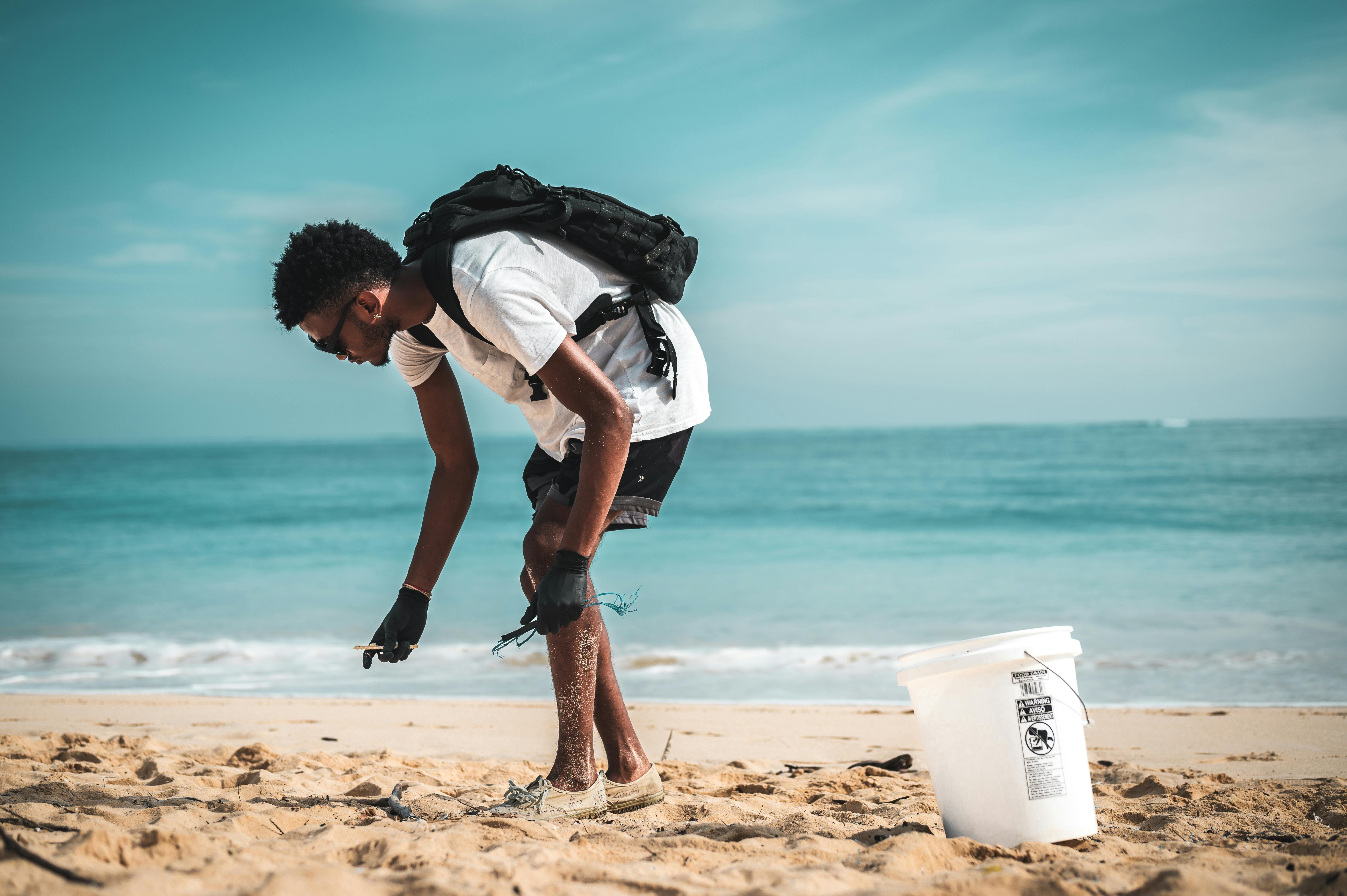
If you want to volunteer with minimal ethical complexity, a beach cleanup is the clearest option on this list. Plastic pollution is a genuine, visible problem on several stretches of this coast, and organised or informal cleanup efforts, sometimes run by guesthouses, sometimes by independent environmental groups, generally involve straightforward work with an obvious, measurable benefit.
Ask at your guesthouse whether a local cleanup initiative exists, or whether one can be organised informally, several properties along this coast run occasional cleanups and welcome guest participation.
Teaching and skills-based volunteering: proceed carefully
Short-term English teaching and similar skills-based volunteering is widely advertised, and it is worth being honest about a real tension here: a tourist with no teaching background, staying for one or two weeks, is generally not well placed to deliver meaningful educational value to a classroom, and a revolving door of short-term, untrained volunteers can genuinely disrupt a learning environment more than it helps.
If teaching or skills-based work genuinely interests you, a longer-term commitment, generally a minimum of several weeks to months, with an organisation that vets volunteers for relevant skills or qualifications, delivers far more real value than a one or two week stint, both to the community and to your own experience of the work.
A clear warning on orphanage and childcare volunteering
This is the one area we would actively steer you away from, and it is worth being direct about why.
Orphanage and childcare volunteering is widely and seriously criticised by child protection organisations internationally, including UNICEF and several major child welfare bodies, for a specific, well-documented set of reasons. A significant proportion of children in such facilities globally are not actually orphans, and a constant rotation of short-term, untrained foreign volunteers forming brief attachments with vulnerable children has been shown to cause genuine psychological harm, alongside creating financial incentive for facilities to keep children in care rather than reunifying them with family where possible.
If you see a programme on this coast offering turtle conservation alongside childcare or orphanage work as an add-on, treat the childcare component specifically with real scepticism, regardless of how the turtle programme itself checks out. This is not a south coast-specific concern, it reflects a well-established global pattern in volunteer tourism, and it applies here as much as anywhere else.
What genuinely good volunteering looks like here
Based on everything above, the clearest, most straightforwardly positive options on this coast are environmental and conservation work with real oversight, a vetted, government-recognised turtle programme, a beach cleanup, or reforestation and environmental education work connected to areas like Kanneliya, where the work is tangible, does not involve vulnerable people, and the benefit is relatively easy to verify.
Longer-term, skills-matched work, teaching, specific professional skills offered to a local organisation that has genuinely requested that skill, also holds up well, provided the commitment is substantial enough to deliver real value rather than being primarily a short holiday activity dressed up as volunteering.
How long should you volunteer for?
For turtle conservation and environmental work, even a few days of properly supervised, genuine participation can be meaningful, provided the programme itself meets the standards above. For anything involving teaching, skills transfer, or any form of work with children, a minimum of several weeks, ideally longer, is what responsible organisations generally require, and what genuinely benefits the community rather than primarily benefiting the volunteer's own trip.
A few things I would know before volunteering on the south coast
Do not choose a programme based purely on price or convenience.
The cheapest or easiest-to-book option is not necessarily the most ethical, and a slightly higher fee attached to a genuinely well-run, properly certified programme is often money well spent.
Do not assume a programme is ethical just because it is widely advertised.
Marketing and genuine practice are not the same thing. Ask the specific questions above rather than relying on a polished website alone.
Do not sign up for anything involving vulnerable children, however briefly.
This is the one category where the evidence against short-term volunteer involvement is strong and consistent, regardless of good intentions.
Do not expect volunteering to be purely about what you personally get from it.
If a programme's marketing focuses heavily on your experience, your photos, your personal growth, rather than the actual outcomes for the community or environment involved, that framing itself is worth noticing.
Is volunteering on the south coast worth doing?
Yes, genuinely, provided you approach it with the same scrutiny you would apply to any other significant decision on your trip. A properly vetted turtle conservation programme, a real beach cleanup, or skills-matched work with an organisation that has specifically requested your help can be a meaningful, honest contribution. A short-term, unvetted programme, particularly one involving children, can do more harm than the good intentions behind it.
Ask the questions. Take the time to check. The coast, and the people and wildlife on it, are better served by a volunteer who does their homework than one who simply wants to feel useful.
Frequently asked questions about volunteering on the south coast
Is turtle conservation volunteering in Sri Lanka ethical?
It depends entirely on the specific programme. Standards vary significantly between hatcheries and projects on this coast, so ask whether the programme is government-certified, releases hatchlings promptly, and limits handling to trained staff before committing.
Should I volunteer at an orphanage in Sri Lanka?
No, this is generally advised against by child protection organisations internationally, including UNICEF. Short-term volunteer involvement with vulnerable children has been shown to cause real harm, and many children in such facilities are not actually orphans.
What is the most straightforwardly ethical volunteering option on the south coast?
Beach cleanups carry the least ethical complexity of any volunteering option on this coast, with a clear, measurable benefit and no vulnerable people involved.
How long should I volunteer for in Sri Lanka?
For environmental work like turtle conservation or beach cleanups, even a few days can be meaningful with a properly vetted programme. For teaching or skills-based work, several weeks to months is generally needed to deliver genuine value.
Can I volunteer with turtles near Kosgoda?
Yes, several programmes operate around Kosgoda, Galle and Ambalangoda. Ask specifically about certification, hatchling release timing and handling practices before committing, since standards vary considerably between operators.
Final thoughts
Wanting to give something back to a place is a good instinct, and this coast has real, genuine needs where that instinct can do real good. It also has an industry that has learned to market itself to that same instinct, not always with the outcomes it advertises.
Ask the hard questions before you commit. A programme that welcomes them is usually the one worth your time.