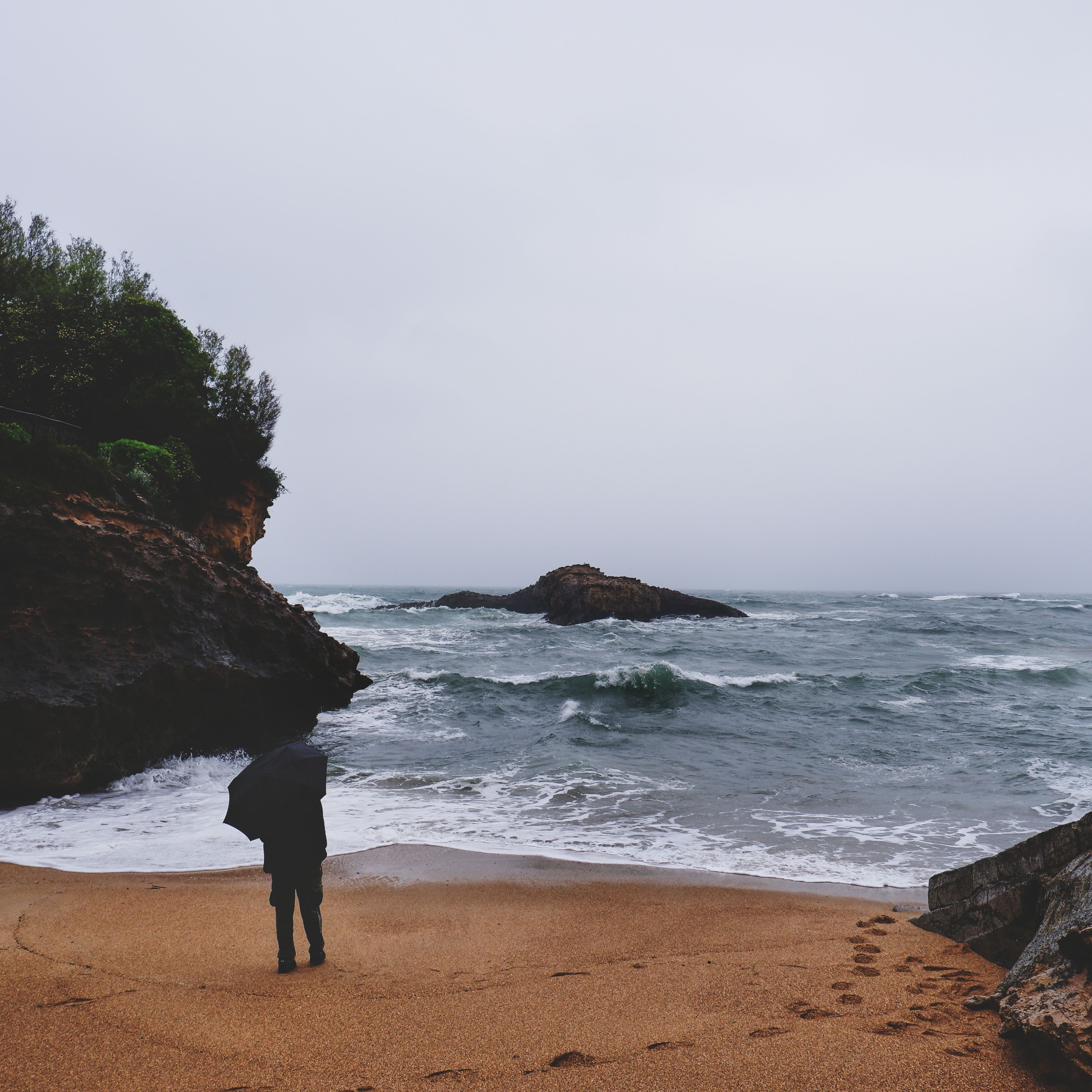
Every itinerary on the south coast is built around the beach, and most of them quietly assume good weather without ever saying so. Then a grey morning arrives, the sea turns choppy, and half your plan for the day disappears with it.
Rain on the south coast is not the disaster it feels like in the moment. It rarely lasts all day, even during the wetter months, and a genuine number of the best things to do here were never weather-dependent in the first place. If you are stuck under a grey sky wondering what to actually do with the day, this guide should help.
Does it rain a lot on the south coast?
It depends heavily on the month. The main dry season runs roughly November through April, with the southwest monsoon bringing wetter, more unpredictable weather from May through September. Even within the wetter months, rain on this coast tends to come as short, heavy showers rather than all-day downpours, so a rainy morning does not necessarily mean a rainy afternoon.
If your travel dates fall within the wetter window, it is worth reading our full weather guide for the month-by-month breakdown. This guide is for the day itself, once the rain has actually arrived and you need a plan.
Indoor and rain-friendly things to do
1. Visit Galle Fort
Galle Fort's covered walkways, arcaded shopfronts and indoor cafes make it one of the most genuinely rain-friendly stops on the whole coast. The ramparts themselves are less appealing in heavy rain, but the fort's interior streets, museums, galleries and shops keep you largely dry while still giving you a full day's worth to explore.
2. Tour a tea estate
Handunugoda Tea Estate near Ahangama runs its guided tours and tastings largely indoors and undercover, making it one of the more reliable rain-day activities on the coast. Watching the tea processing and sitting down for a tasting works just as well, arguably better, with rain outside.
3. Visit a mask museum and workshop in Ambalangoda
The Ariyapala Mask Museum and similar workshops in Ambalangoda are indoor spaces, and a rainy day is a genuinely good excuse to spend longer than usual learning about the carving process and the Kolam and Sanni mask traditions behind it.
4. Spend a few hours at a spa or Ayurveda treatment
Many guesthouses and hotels across the south coast offer Ayurveda massage and spa treatments, an easy, comfortable way to turn a washed-out afternoon into something restorative rather than wasted.
5. Visit a temple
Temples across the south coast, from Weherahena's mural tunnel near Matara to the Japanese Peace Pagoda on Rumassala Hill, are covered, contemplative spaces that work well regardless of weather. Rain can, if anything, make a temple visit feel quieter and more atmospheric than a hot, crowded midday visit would.
6. Eat your way through a town's food scene
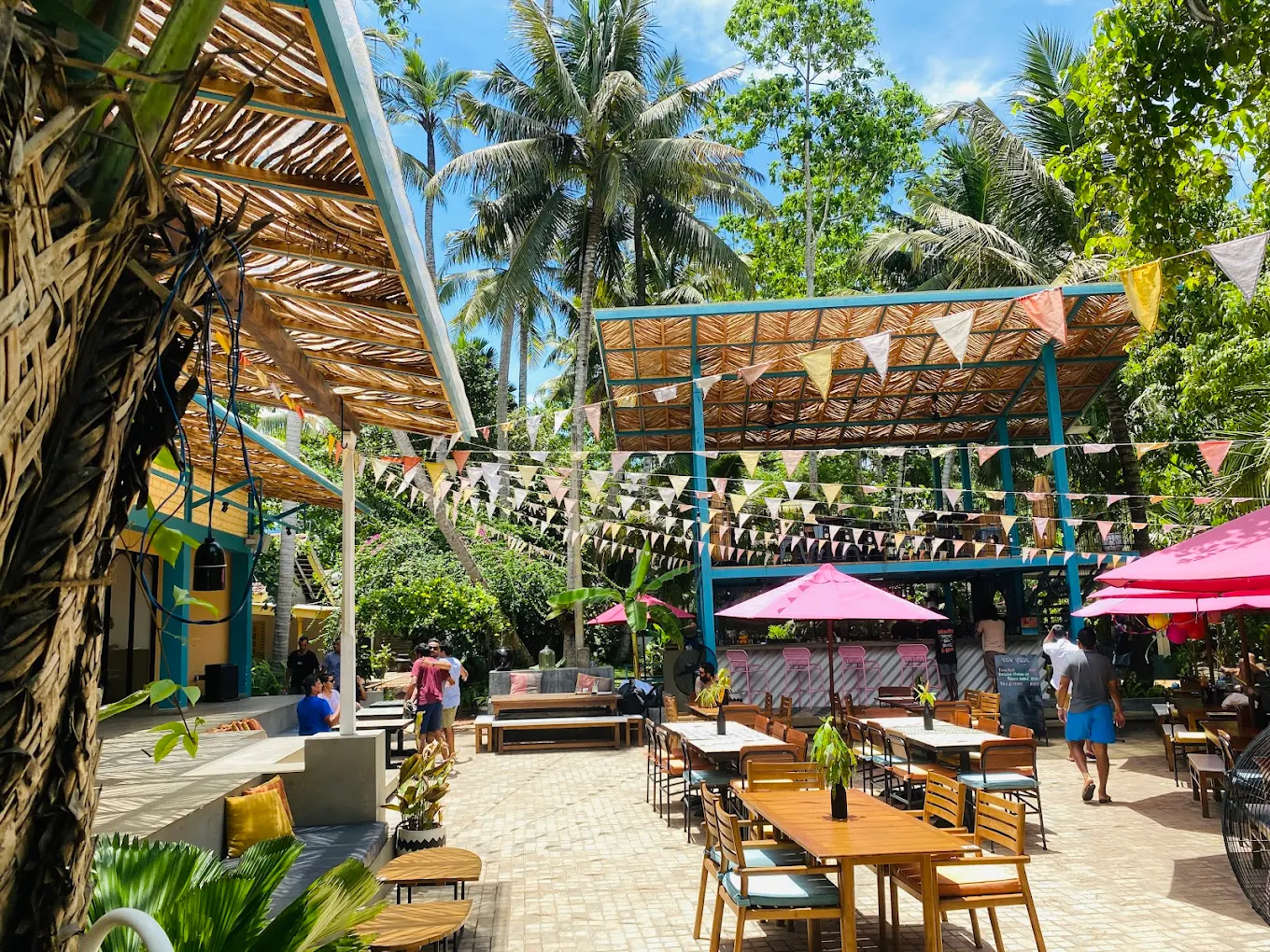
A rainy day is the ideal excuse to properly explore a town's cafes and restaurants rather than rushing between beach stops. Ahangama's cafe scene in particular rewards a slow, unhurried few hours, and Galle Fort has enough restaurants and coffee shops to fill an entire afternoon comfortably.
7. Catch up on planning or admin from a cafe
If the rain genuinely will not let up, a good cafe with strong coffee and reliable wifi is not a bad way to spend a few hours, particularly in Ahangama or Galle Fort, both of which have a strong concentration of comfortable, laptop-friendly spots.
8. Watch a Kolam mask performance, if you can find one
Rain does not rule out a Kolam performance if one happens to be running locally during your visit, and asking around in Ambalangoda on a rainy day is no less worthwhile than on a sunny one. See our dedicated guide for how to actually track one down.
9. Visit Kanneliya, if the rain is light
Rainforest is, unsurprisingly, less disrupted by rain than a beach day, since a degree of dampness is simply part of the environment. Heavy rain does make trails more slippery and less safe, so use judgement here, but a light, steady rain does not rule out a Kanneliya walk the way it rules out a swim.
10. Get a massage or treatment, then read the whole afternoon away
Sometimes the honest answer to a rainy day is simply slowing down. A good book, a covered veranda, and the sound of rain on a tin roof is not a bad way to spend an afternoon on this coast, and it is one most travellers never planned for but often remember fondly.
What does not work well in the rain
Beach days, obviously, but also whale watching, since rough seas during heavier rain periods affect both comfort and visibility. Waterfalls and rivers can also become genuinely more dangerous, not less interesting, during heavy rain, with faster currents and slippery rocks, so treat these with real caution rather than assuming rain simply adds atmosphere.
Surfing is a genuine exception here. Rain itself does not stop good surf, and some of the better sessions happen under grey skies with the beach otherwise empty, so do not automatically write off a surf session just because it is raining, check the actual swell and wind conditions instead.
How long does south coast rain usually last?
Even in the wettest months, rain here tends to arrive as a distinct shower rather than a lingering all-day system, often clearing within an hour or two before the sun returns. It is genuinely common to have a heavy morning shower followed by a clear, hot afternoon, so it is often worth waiting out a downpour with one of the indoor options above rather than writing off the whole day.
A few things I would know about rainy days on the south coast
Do not cancel your whole day over a morning shower.
Check again in an hour. South coast rain frequently clears faster than it looks like it will.
Do not rule out surfing because of rain.
Check the actual swell and wind conditions rather than the sky. Rain and good surf are not mutually exclusive here.
Do not treat rainforest trails as risk-free in heavy rain.
Kanneliya and similar walks are fine in light rain but genuinely more hazardous, slippery trails, faster water, in heavier downpours.
Is a rainy day on the south coast a wasted day?
No, not if you plan around it rather than simply waiting it out indoors hoping for sun. Galle Fort, a tea estate, a mask museum, a temple, a proper meal without rushing, all of these work just as well, sometimes better, under grey skies as they do in full sun.
The beach will still be there tomorrow.
Frequently asked questions about rainy days on the south coast
What can you do in south Sri Lanka when it rains?
Galle Fort, Handunugoda Tea Estate, the Ambalangoda mask museums, temples like Weherahena or the Japanese Peace Pagoda, and a properly unhurried meal are all genuinely good rain-friendly options across the south coast.
How long does rain usually last on the south coast?
Even during the wetter monsoon months, rain typically arrives as a shower lasting an hour or two rather than an all-day downpour, so conditions often improve within the same day.
Can you still surf in the rain in south Sri Lanka?
Yes. Rain does not necessarily affect surf conditions, and some good sessions happen under grey skies with quieter lineups. Check swell and wind conditions rather than assuming rain rules out surfing.
Is it safe to visit Kanneliya rainforest when it is raining?
Light rain is generally fine, but heavier rain makes trails more slippery and streams faster-moving, so use caution and consider postponing in genuinely heavy conditions.
Does rain affect whale watching in Mirissa?
Yes, rougher seas during heavier rain periods can affect both comfort and visibility on whale watching trips, and some operators may adjust or cancel departures in poor conditions.
Final thoughts
A rainy day on the south coast is not the trip-ruining event it feels like when you wake up to grey skies. It is simply a different kind of day, one better suited to a tea estate, a mask workshop, a temple, or an unhurried meal than a beach towel.
Wait an hour. Check again. More often than not, the sun comes back before you have even finished your coffee.