If you have already stayed in Tissamaharama for a Yala safari, you have almost certainly driven past Wirawila tank without realising it was a designated wildlife sanctuary in its own right. It sits right beside the town, part of an ancient irrigation system still in active use, and it draws a genuinely serious concentration of waterbirds without requiring any detour from your existing safari base.
If you have read our Bundala or Kalametiya guides, Wirawila-Tissa is the quieter, more local third option in that same wetland birding cluster, smaller in scale, but sitting exactly where most Yala travellers are already staying rather than requiring a separate trip.
If you are wondering what is actually at Wirawila-Tissa, how it differs from Bundala and Kalametiya, and whether it is worth your time, this guide should help.
Where is Wirawila-Tissa Bird Sanctuary?
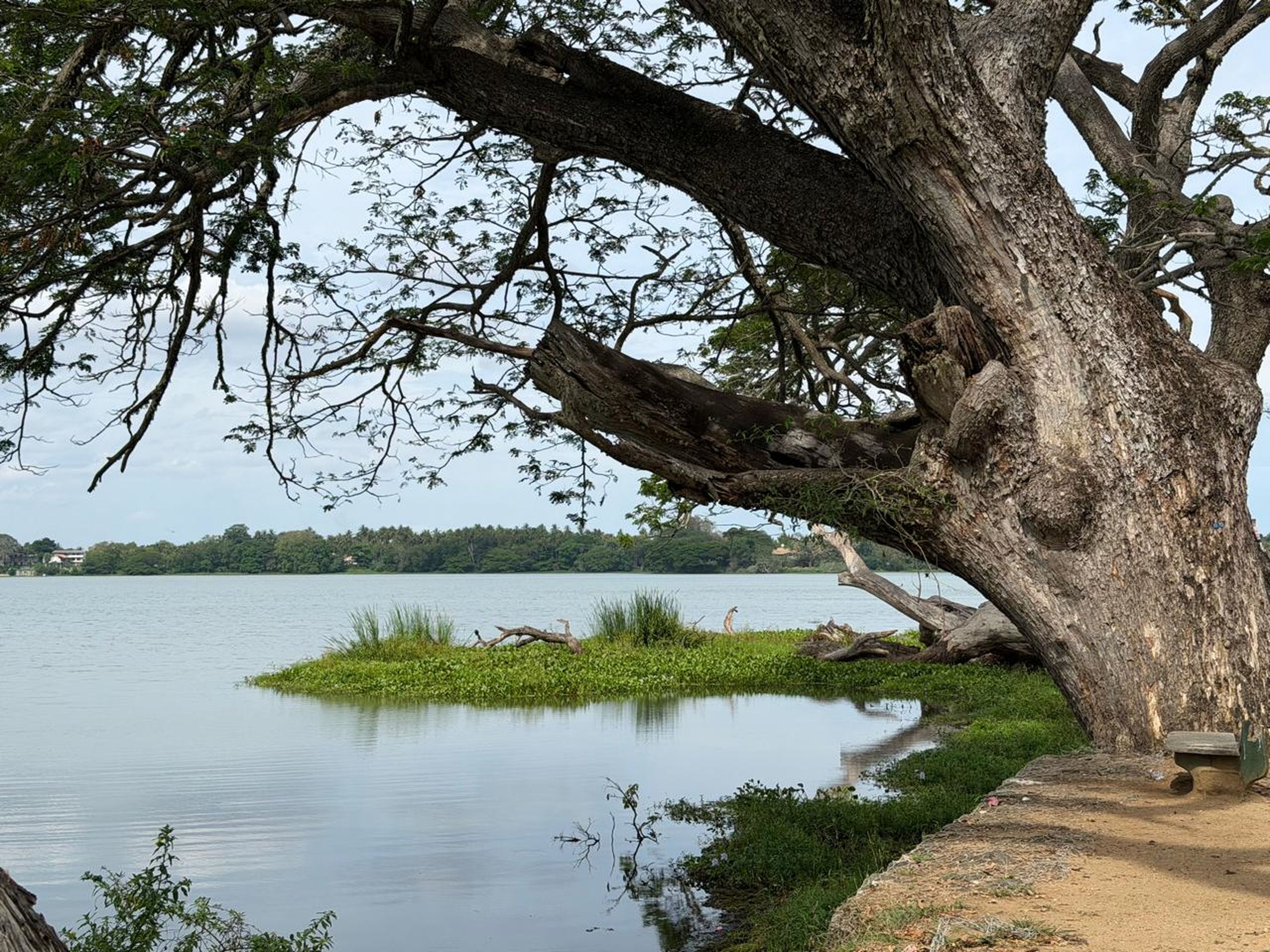
Wirawila-Tissa Bird Sanctuary is centred on Wirawila tank, an ancient reservoir immediately adjacent to Tissamaharama, in Sri Lanka's dry zone southeast, close to Yala and Bundala.
The sanctuary takes in Wirawila tank itself along with the nearby Tissa Wewa, the ancient tank in Tissamaharama town, both part of a centuries-old irrigation network built to store water for agriculture in this naturally dry region, and both now functioning as significant wetland habitat almost by accident of their original engineering purpose.
What makes this site different from Bundala and Kalametiya?
The key difference is convenience and character. Bundala is a larger, more established coastal wetland reserve requiring its own dedicated safari. Kalametiya is a quieter lagoon system near Tangalle explored by small boat. Wirawila-Tissa is neither coastal nor a dedicated safari destination in the same sense, it is an ancient, inland tank system that happens to sit directly beside the town most Yala visitors are already staying in.
This makes it the easiest of the three to fit into a trip almost by accident, a stop on the way to or from a Yala safari, or a quiet early morning outing directly from your Tissamaharama guesthouse, rather than a planned excursion requiring its own booking and transport.
Is Wirawila-Tissa worth visiting?
Yes, particularly if you are already staying in Tissamaharama for Yala and want a low-effort, low-cost way to add birdwatching to your trip without arranging a separate day.
It will not match Bundala's scale or species diversity, and it does not offer Kalametiya's quiet, boat-based intimacy. What it offers instead is genuine convenience, a real ancient tank system with reliable birdlife, sitting close enough to walk to from some accommodation in Tissamaharama, or a very short tuk tuk ride from anywhere else in town.
The best things to do at Wirawila-Tissa
1. Watch the tank at dawn
Early morning is consistently the most active time for birdlife here, with waterbirds feeding in the shallows before the day heats up. Since the tank sits so close to town, this is one of the easier "before breakfast" wildlife activities on this whole coast.
2. Look for storks, herons and egrets
Wirawila and the surrounding wetland habitat regularly host painted storks, herons, egrets and a range of smaller waders, alongside cormorants and other waterbirds feeding along the tank's edges and shallows.
3. Watch for migratory species in season
As with Bundala and Kalametiya, the northern winter migratory season, roughly November through March, brings additional species to the area, adding to the resident population already using the tank system.
4. Combine it with Tissa Wewa in town
Tissa Wewa, the ancient tank within Tissamaharama itself, is part of the same broader wetland habitat and can be visited on foot from much of the town, making it possible to see meaningful birdlife without arranging any transport at all.
5. Ask locally about a simple boat trip
Depending on availability, small boat trips on Wirawila tank can sometimes be arranged locally, offering a closer, quieter view of the tank's birdlife than watching from the shore alone. Ask at your guesthouse, since this is arranged informally rather than through a fixed operator.
How long should you spend at Wirawila-Tissa?
Thirty minutes to an hour is enough for a dawn or early morning visit to the tank edge, longer if you arrange a boat trip or want to combine it with a walk around Tissa Wewa in town.
This works well as a before-breakfast activity on a Yala safari day, rather than requiring its own dedicated half-day.
When is the best time to visit?
Early morning offers the most active birdlife and the most comfortable temperatures, consistent with every wetland site on this stretch of coast. The northern winter migratory season, roughly November through March, adds the greatest diversity of species, aligning with the broader south coast dry season.
How to get to Wirawila-Tissa Bird Sanctuary
Wirawila-Tissa sits immediately beside Tissamaharama, making it one of the most accessible wetland sites on this list.
From Tissamaharama
Wirawila tank is generally 5 to 10 minutes from central Tissamaharama by tuk tuk, and Tissa Wewa itself is within walking distance of much of the town.
From Yala
Wirawila sits on or near the route between Tissamaharama and several Yala entrances, making it a natural stop on the way to or from a safari rather than a separate trip.
From Kataragama
If you have read our Kataragama guide, Wirawila sits a short distance away, generally 15 to 20 minutes, making it easy to combine both into a single day in this part of the southeast.
Wirawila-Tissa, Bundala or Kalametiya: which should you choose?
This is less a matter of choosing one over the others and more about what fits your trip.
Choose Wirawila-Tissa for the easiest, lowest-effort birdwatching stop, ideal if you are staying in Tissamaharama anyway and want a quick, convenient addition to your trip.
Choose Bundala for a larger, more established reserve with the widest range of habitat and the best flamingo sightings on this coast.
Choose Kalametiya for a quieter, more intimate boat-based lagoon experience near Tangalle.
For genuinely dedicated birdwatchers with time to spare, all three are worth doing, each offers a slightly different slice of this region's wetland habitat.
Where to stay near Wirawila-Tissa
Tissamaharama itself is the obvious base, with a wide range of guesthouses and hotels geared toward safari travellers, many within easy reach of both Wirawila tank and Tissa Wewa.
What should you bring?
Bring binoculars if birdwatching is a genuine interest, along with sun protection for an exposed tank edge visit. Little else is needed for a stop this simple and this close to town.
A few things I would know before visiting
Do not expect a formal, ticketed sanctuary experience.
This is an ancient, functioning irrigation tank that happens to support significant birdlife, not a purpose-built wildlife park with visitor infrastructure.
Do not skip it just because it lacks Bundala's scale.
Its real value is convenience, a genuine wetland birding experience requiring almost no extra effort if you are already staying in Tissamaharama.
Do not assume a boat trip is guaranteed.
Availability depends on local arrangement rather than a fixed booking system. Ask at your guesthouse rather than expecting it to always be available.
Is Wirawila-Tissa worth adding to your Sri Lanka itinerary?
Yes, particularly if you are already staying in Tissamaharama for a Yala safari and want an easy, low-cost way to add genuine birdwatching to your trip without extra planning. It will not be the headline wildlife experience of your visit, but as an early morning add-on before or after a safari day, it earns its place easily.
Frequently asked questions about Wirawila-Tissa Bird Sanctuary
What is Wirawila-Tissa Bird Sanctuary?
A wetland bird sanctuary centred on Wirawila tank and Tissa Wewa, ancient irrigation reservoirs immediately beside Tissamaharama in Sri Lanka's southeastern dry zone.
Is Wirawila-Tissa worth visiting?
Yes, particularly for travellers already staying in Tissamaharama for a Yala safari, since it offers genuine birdwatching with very little extra time or effort required.
How far is Wirawila tank from Tissamaharama?
Wirawila tank is generally 5 to 10 minutes from central Tissamaharama by tuk tuk, and Tissa Wewa itself is within walking distance of much of the town.
How does Wirawila-Tissa compare to Bundala?
Bundala is larger and more established, with a broader range of habitat and species. Wirawila-Tissa is smaller in scale but far more convenient, sitting immediately beside a town most Yala travellers already use as a base.
Can you do a boat trip on Wirawila tank?
Sometimes, arranged informally through local operators or your guesthouse rather than through a fixed booking system. Ask locally to check current availability.
Final thoughts
Not every wildlife stop on this coast needs its own dedicated day. Wirawila-Tissa is proof of that, an ancient tank doing exactly what it was engineered to do centuries ago, holding water through the dry season, and drawing birdlife almost as a byproduct.
If you are staying in Tissamaharama anyway, it costs you almost nothing to walk down before breakfast and see what is feeding in the shallows.