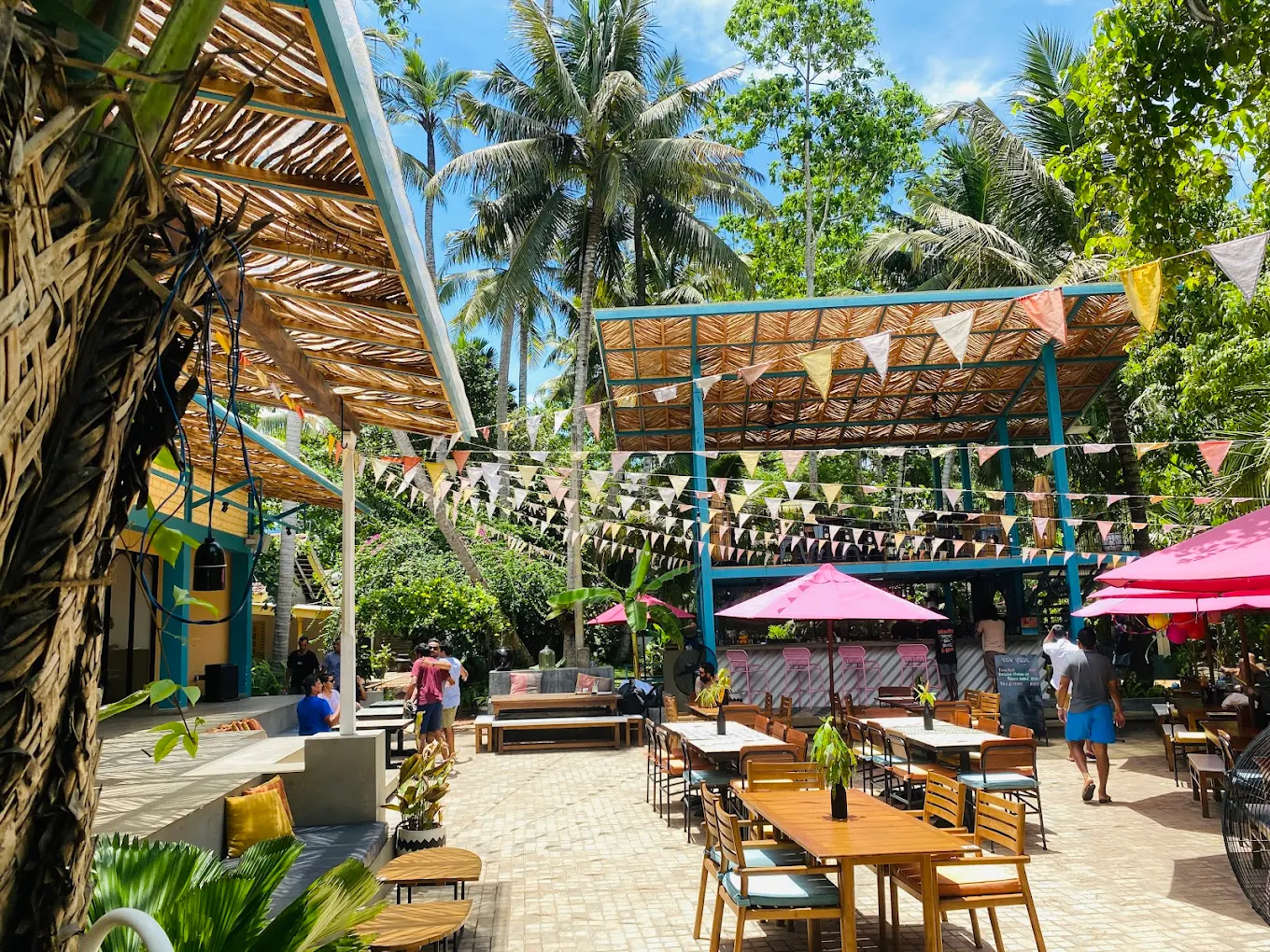
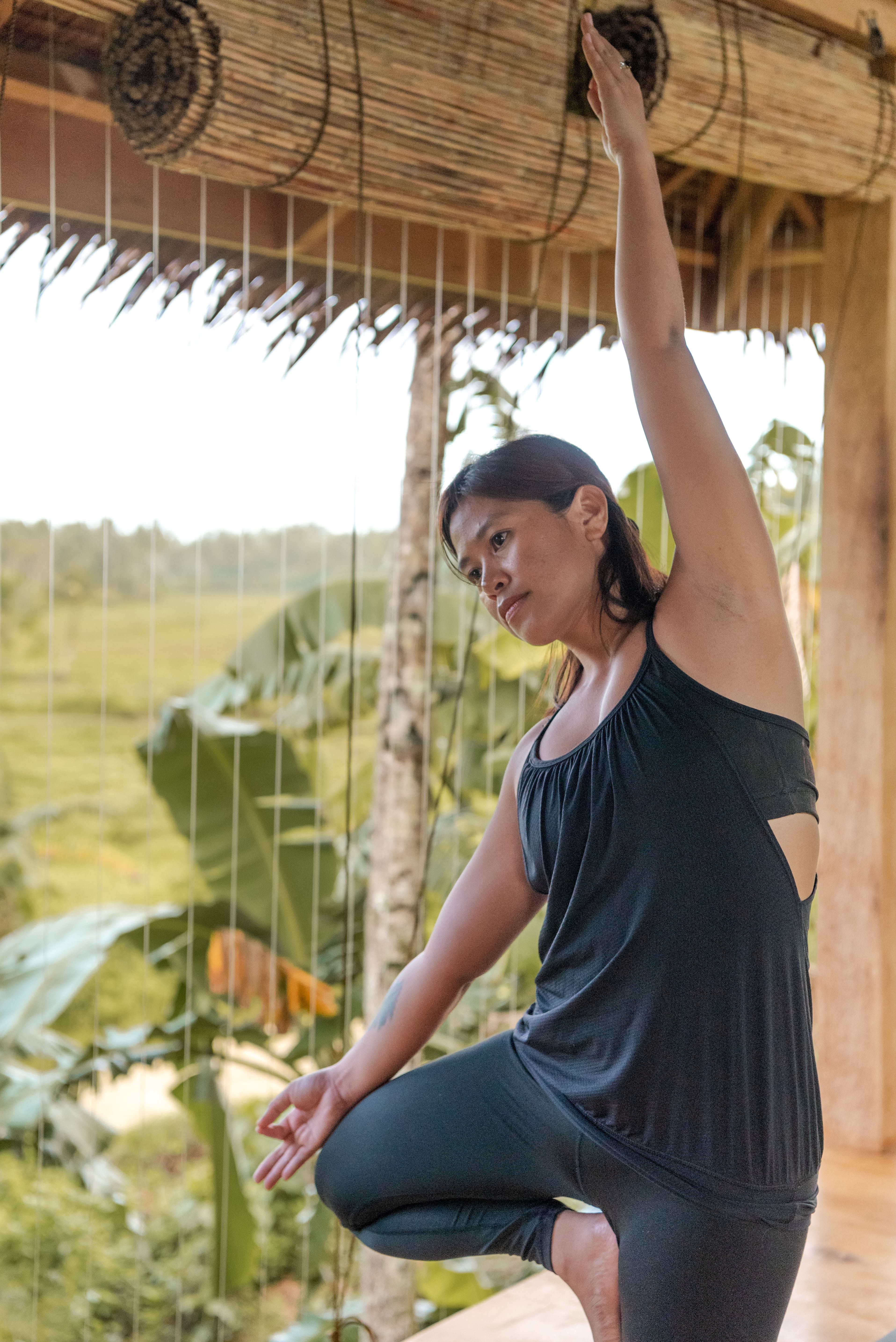
Surfing built Weligama and Hiriketiya's reputation, but quietly, a genuine yoga community has grown up alongside it, open-air shalas tucked into the jungle, surf-and-yoga packages that fill mornings with a wave and evenings with a mat, and a cluster of towns between Weligama and Tangalle that has become one of the more established yoga destinations in this part of Asia.
If you have read our guide to why Hiriketiya became so popular, cliff-top and jungle-side yoga was a real part of that story, not a side note to the surf. Here is the honest, practical version of what is actually here, what it costs, and how to find a genuine studio rather than a hotel class dressed up as one.
Where is the south coast yoga scene concentrated?
Ahangama, Hiriketiya and Talalla, the stretch of coast roughly between Weligama and Matara, form the most developed yoga cluster on this coast, alongside Weligama itself, which has its own strong base of shalas and surf-yoga retreats.
Ahangama functions as something of a lifestyle base, strong on cafes and longer-stay wellness culture alongside its surf scene. Hiriketiya is the more community-driven option, a small, walkable bay where yoga, surf and a social, slow-travel crowd overlap closely. Talalla, quieter and more spread out, holds at least one well-regarded cliffside retreat operating above the sea. Weligama offers the widest range of surf-and-yoga combination stays, generally well suited to beginners in both disciplines at once.
What styles of yoga are actually taught here?
The south coast scene leans heavily toward Vinyasa and Hatha, generally accessible to beginners and a good fit with a holiday pace, alongside Yin for a slower, more restorative counterpart. Ashtanga is also available at a number of Ahangama studios specifically, for those looking for a more structured, disciplined practice. Most shalas offer multiple styles across a week rather than specialising in just one, so check a specific studio's schedule if you have a strong preference.
What does a class or retreat actually cost?
Drop-in classes at a real shala generally run somewhere between 20 and 40 US dollars, varying by studio and class length.
Multi-night retreat packages, combining accommodation, daily yoga and often meals, start from around 120 US dollars for a basic few-night stay and climb well beyond that for longer, more comprehensive programmes, surf-and-yoga combination packages in particular can run into several hundred euros for a week or more, depending on how much is included.
Nightly rates at a dedicated yoga-focused guesthouse, outside a packaged retreat, generally fall somewhere in the 70 to 150 US dollar range, reflecting the boutique, design-led character many of these properties share.
How to tell a genuine yoga shala from a hotel class
This is worth being direct about, since not every "yoga available" listing on this coast reflects the same quality of teaching or facility.
A genuine shala generally has a dedicated, purpose-built practice space, often open-air with real character, jungle or ocean views, proper flooring, rather than a function room with mats rolled out for the occasion. It will have a named, identifiable teacher or teaching team you can look up in advance, with a real teaching background, rather than an unnamed "yoga instructor available on request."
A hotel offering a single daily class as an amenity, rather than a studio built specifically around yoga as its core offering, is a different, generally lower-intensity experience, fine for a casual holiday session, but not comparable to booking a dedicated retreat or studio if a serious practice is what you are after.
Surf and yoga combination retreats
A number of properties on this coast, particularly in Hiriketiya and Weligama, specifically combine surf lessons with daily yoga, morning surf, evening practice, built around the idea that the two disciplines complement each other well, both demanding balance, breath control and a degree of physical presence.
These combination packages tend to suit beginners in both disciplines especially well, and are worth considering if you want a structured week that covers both rather than booking surf and yoga separately through different operators.
When is the best time for a yoga trip to the south coast?
November through April, the main dry season, is unambiguously the best window, consistent with the broader advice in our weather guide. The southwest monsoon, roughly May through September, genuinely thins out the Ahangama and Hiriketiya yoga and surf scene specifically, with some shalas reducing their schedule or closing temporarily during the wettest stretch of that period.
If a south coast yoga retreat is the specific goal of your trip and your dates are flexible, avoid the deep monsoon months, and lean toward the dry season for both weather and the fullest class schedules.
Is Ayurveda part of this scene too?
To a degree, yes, though it is worth distinguishing from yoga specifically. Some boutique guesthouses in Hiriketiya and Ahangama offer Ayurvedic consultation or treatments alongside their yoga programmes, generally positioned as a complementary wellness offering rather than the primary focus, which tends to be concentrated more heavily in dedicated Ayurveda resorts elsewhere on the island. If a full Ayurveda programme specifically is your priority rather than a side treatment, confirm a property's actual depth of offering before booking.
A simple week combining yoga with your wider trip
If you want to fold yoga into a broader south coast itinerary rather than a dedicated retreat, a realistic structure could look like this.
Base yourself in Hiriketiya or Ahangama for three to five nights, joining daily classes at a local shala alongside beach time and, if it interests you, a surf lesson or two.
Drop in rather than commit to a full package if you are not sure a dedicated retreat fits your trip, most shalas welcome casual drop-in students at the per-class rate without requiring a packaged stay.
Move on to the rest of your south coast route afterward, Galle, Mirissa, Tangalle, with the yoga stretch as one deliberate, slower chapter within a wider trip rather than the entire focus.
A few things I would know before booking
Do not assume every "yoga available" listing reflects a real, dedicated shala.
Check for a named teacher, a purpose-built space, and genuine reviews before committing, particularly for a multi-night retreat package.
Do not book a south coast yoga retreat for the deep monsoon months without checking the specific shala's schedule first.
Some properties reduce or pause classes during the wettest stretch of the season.
Do not expect every property to combine serious Ayurveda with its yoga offering.
If a full Ayurveda programme matters to you specifically, confirm the depth of what is actually offered rather than assuming it from a general "wellness" listing.
Is the south coast worth it for a yoga-focused trip?
Yes, genuinely, particularly if you want a less formal, more social, surf-adjacent version of a yoga retreat rather than a strictly silent, retreat-centre experience. The combination of real, well-regarded shalas, a strong cafe and wellness culture, and genuinely excellent surf nearby is a real point of difference from more isolated retreat destinations elsewhere.
Book into a shala with a named teacher, go in the dry season, and let the rest of the coast fill in around it.
Frequently asked questions about yoga on the south coast
Where is the best place for yoga on Sri Lanka's south coast?
Ahangama, Hiriketiya and Weligama form the most developed yoga cluster on the south coast, each with a range of dedicated shalas and surf-and-yoga combination retreats.
How much does a yoga retreat cost on the south coast?
Multi-night packages generally start from around 120 US dollars for a few nights, with longer or more comprehensive surf-and-yoga packages running into several hundred euros for a week or more. Drop-in classes typically cost 20 to 40 US dollars.
What style of yoga is taught on the south coast?
Vinyasa and Hatha are the most common, with Yin available for a slower practice and Ashtanga offered at a number of Ahangama studios specifically.
When is the best time for a yoga trip to the south coast?
November through April, the main dry season. The southwest monsoon genuinely thins out the Ahangama and Hiriketiya yoga scene, with some shalas reducing or pausing classes during the wettest months.
Can beginners do yoga on the south coast?
Yes, several shalas in Ahangama and Hiriketiya specifically offer beginner-friendly Hatha and Vinyasa classes, and surf-and-yoga combination packages are generally well suited to beginners in both disciplines.
Final thoughts
This coast built its name on surf, and somewhere along the way, a genuine, well-regarded yoga community grew up right alongside it, open-air shalas under jungle canopy, teachers worth travelling for, and a pace of life that makes the practice feel like part of the place rather than an amenity bolted on for visitors.
Find a real shala. Go in the dry season. Let the rest of the coast unfold around it.