Most weather guides for Sri Lanka describe the two monsoon seasons in broad strokes and tell you to visit between December and March. That is correct, but incomplete. Prices swing dramatically within that window, the shoulder months either side of it are more workable than people assume, and even the wettest months have a genuine use case if your trip is not built entirely around the beach.
If you are wondering exactly when to go, what each month actually looks like, and whether your fixed dates will work, this guide should help.
Is there a single best time to visit south Sri Lanka?
Broadly, yes: November through April is the main season, with the calmest seas, the most reliable sunshine, and whale watching running at its best. Within that window, February and March offer the strongest combination of good weather and lower prices than the December to January peak.
That said, the answer genuinely depends on your priorities, budget, and whether your dates are fixed. The month-by-month breakdown below covers the nuance a simple "November to April" answer misses.
South Sri Lanka weather, month by month
November to April: the main season
This is when the south coast gets its longest stretches of dry, sunny days. The sea is at its calmest for swimming in December, January and February. Whale watching in Mirissa runs from November through April, with peak sightings in January, February and March when blue whales pass closest to shore. If this is your only travel window, these months are the safest choice.
December and January: busiest and most expensive
Christmas and New Year drive prices up significantly. A guesthouse room that costs $30 in October can cost $70 in December. Book accommodation at least six to eight weeks ahead if travelling over Christmas. Beaches are more crowded, but the weather is reliably good.
February and March: the sweet spot
Prices drop slightly after the Christmas peak. The weather is still excellent, and some of the best surf of the season arrives in February and March. Crowds thin out. If you can choose your dates freely, this window offers the best combination of good conditions and reasonable prices.
April: a transition month
The first half is usually fine. The second half can bring occasional storms and the start of the southwest monsoon. Easter week is busy and expensive. April is workable but less predictable than February and March.
May and June: the monsoon months
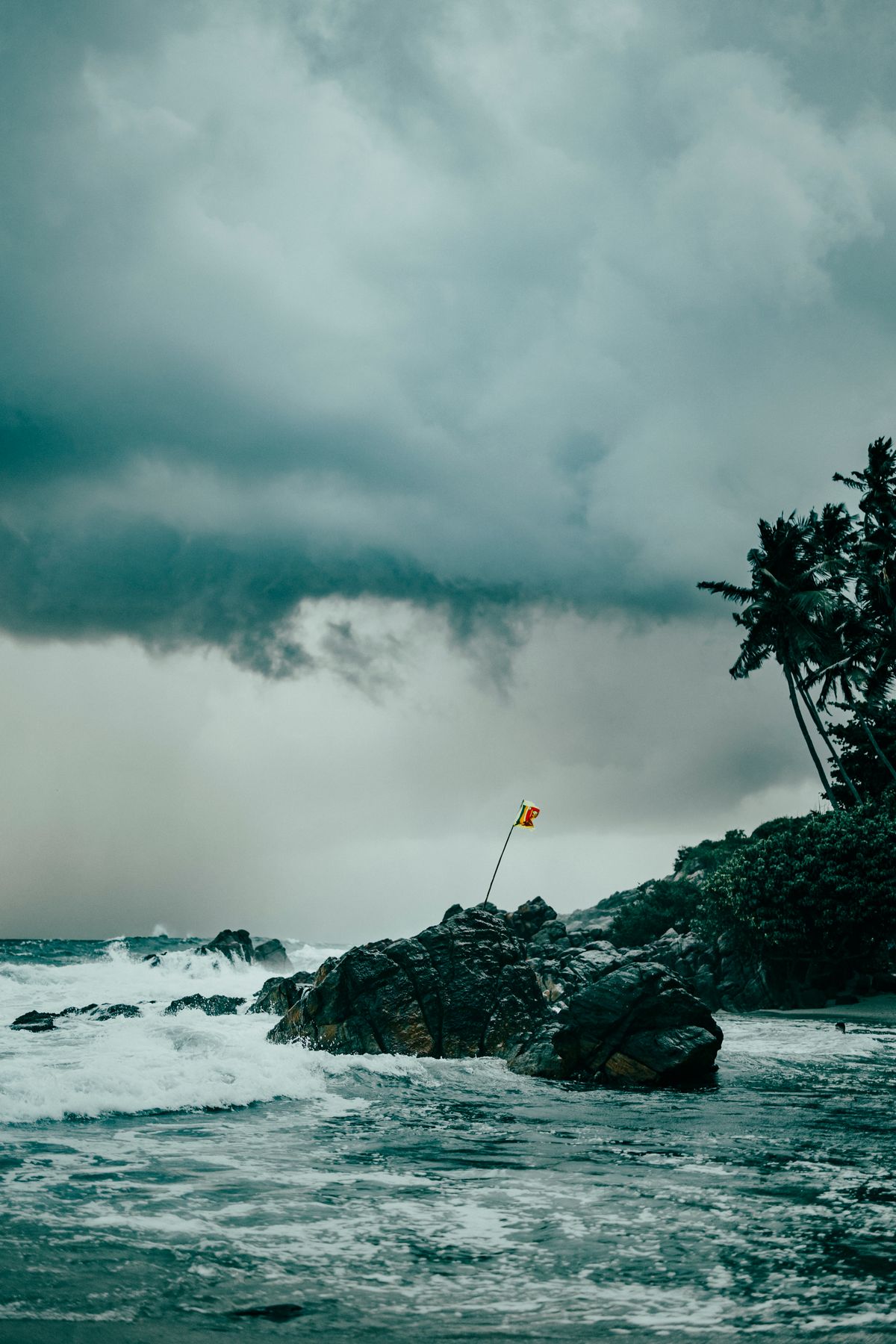
The southwest monsoon hits the south coast from roughly mid-May. This does not mean constant rain, it means short, heavy showers, grey skies most mornings, and seas too rough for swimming or whale watching. Many smaller cafes and guesthouses close for the season. Prices drop by 30 to 50 percent. If you are flexible and not coming primarily for the beach, May and June offer a kind of emptiness the peak season never has.
July through October: wet but not abandoned
The monsoon eases through July and August. By September and October the south coast starts to dry out. October is particularly good, still quiet, prices still low, the sea calming, and the skies beginning to clear. It is arguably the most underrated month on the south coast.
What the weather guides usually leave out
The east coast is dry when the south is wet. If your travel dates fall in May or June, consider spending time in Arugam Bay or Trincomalee instead of, or before, coming south. Sri Lanka's two coasts run largely opposite monsoon patterns, which means a wet window on one side rarely means a wet trip overall.
How to choose based on your priorities
If good weather is the priority and dates are flexible: February or March.
If budget matters most: May, June or October, with October offering the best balance of low prices and improving conditions.
If whale watching is the main goal: January through March, when blue whale sightings peak.
If your dates are fixed and fall in the monsoon window: consider splitting the trip between the south coast and the east coast, or focus south coast time on activities less dependent on calm seas, temples, tea estates, wildlife safaris and cultural stops.
A few things I would know before booking around the weather
Do not assume "monsoon" means constant rain.
Even in May and June, days often include long dry stretches between showers rather than all-day downpours. It is genuinely workable if you are not relying on the beach specifically.
Do not book December accommodation late.
Prices more than double compared to shoulder season, and good places sell out weeks in advance.
Do not write off October.
It is one of the best-value months on the coast, with conditions improving fast and a fraction of the peak season crowds.
Is south Sri Lanka worth visiting outside the main season?
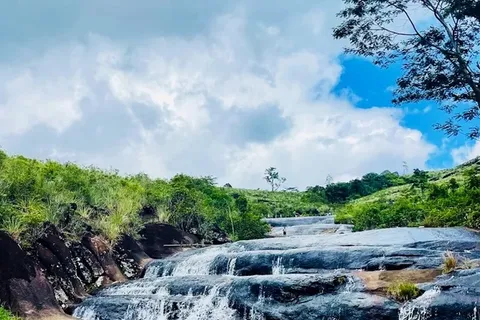
Yes, provided your trip is not built entirely around beach and whale watching days. The monsoon months bring genuinely lower prices, quieter towns, and, for the Bentota river specifically, better wildlife viewing thanks to fuller waterways and lush vegetation.
Frequently asked questions about south Sri Lanka weather
What is the best month to visit south Sri Lanka?
February and March generally offer the best combination of good weather, good surf, and lower prices than the December to January peak.
When is the south Sri Lanka monsoon season?
The southwest monsoon generally runs from mid-May through September, with the wettest conditions typically in May, June, July and August, and drying out through September and October.
Is south Sri Lanka rainy in December?
No, December falls within the main dry season, generally offering reliable sunshine, though it is also the busiest and most expensive month to visit.
Can you visit south Sri Lanka in June?
Yes, though expect short, heavy showers and rougher seas unsuitable for swimming or whale watching. Prices drop significantly, and it can suit travellers not prioritising beach time.
What is the best month for whale watching in Mirissa?
Peak whale watching runs from January through March, when blue whales pass closest to shore, within the broader November to April season.
Is October a good time to visit south Sri Lanka?
Yes, October is considered one of the most underrated months, with prices still low, crowds thin, and the sea calming as the monsoon eases.
Final thoughts
The honest version of "best time to visit" is less simple than a single window, but more useful. November through April covers the safest bet, February and March the best value within it, and even the wetter months have a real case if your trip is not built entirely around swimming and whale boats.
If your dates are fixed and you are not sure whether the south coast works, send them to us. We will tell you honestly whether to adjust the plan.