The south coast between Galle and Tangalle has a well-worn tourist circuit. Galle Fort, Mirissa beach, Coconut Tree Hill, whale watching, Hiriketiya. All of those are worth doing. But the stretch of coast has a second layer underneath that most people never reach because nothing directs them there. These are six of the most distinctive things you can find on the south coast if you know to look.
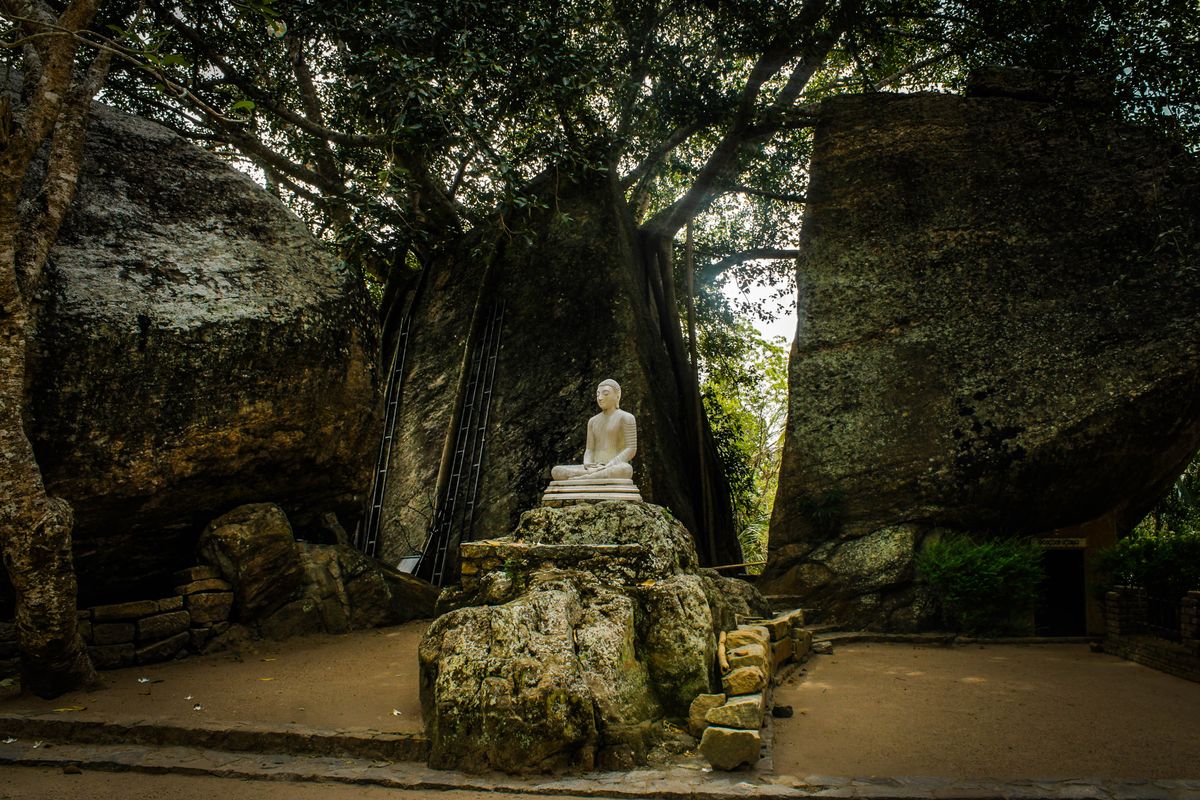
Mulkirigala Rock Temple, near Tangalle. About 16 kilometres inland from Tangalle, a rock formation rises out of the surrounding forest and at its summit sits one of the most atmospheric temple complexes in the south. Mulkirigala Raja Maha Vihara has been here for over 2,000 years. You climb 533 steps through five terraced levels, each containing cave temples with ancient murals and reclining Buddha statues. The caves have two 45-foot Buddha statues in the state of Parinirvana. The murals on the walls date from the Kandyan period. Monkeys live on the rock and will take food if you give them the opportunity, so keep bags closed. The views from the summit extend across the southern province to the Indian Ocean on a clear day. It receives a fraction of the visitors that similar sites in the Cultural Triangle draw and the atmosphere is genuinely peaceful. From Tangalle, a tuk-tuk round trip including waiting time costs around 2,000 to 3,000 rupees. Go at sunrise or in the early morning before the heat builds.
The Martin Wickramasinghe Folk Museum, Koggala. Between Galle and Ahangama, Koggala is best known for its lake. But in the village stands the childhood home of Martin Wickramasinghe, widely considered the greatest Sri Lankan novelist of the 20th century. His home has been preserved and extended into a folk museum that documents traditional Sri Lankan rural life through a collection of wooden masks, pottery, old fishing equipment, traditional boats, and objects of daily life that would otherwise no longer exist anywhere. It is a small, honest museum without any tourist gloss, and it gives you a clearer sense of what the south coast looked like before it became a beach destination. Entry is cheap. An hour is enough.
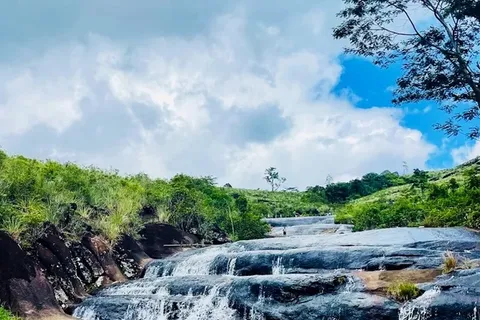
Parewella Natural Swimming Pool, Tangalle. A natural rock formation near Tangalle creates a pool where the sea floods in through channels in the rock and the water sits calm and clear behind the barrier. It is not a beach. It is not a lagoon. It is the sea trapped in a natural enclosure, warm, sheltered, and entirely free to use. Locals know it and use it. Most tourists staying in Tangalle never find it. Ask a tuk-tuk driver for Parewella and they will take you there for a few hundred rupees.
Thalpe rock pools and stilt fishermen. The stretch of coast at Thalpe, between Unawatuna and Koggala, has coral rock pools cut into the reef that fill with seawater at high tide. They were used for soaking coconut husks in the past and are now one of the more unusual things to cool off in on the coast. Combined with the stilt fishermen who are still active here in the early morning and late afternoon, Thalpe gives you a genuine sense of the old coastal Sri Lanka that is increasingly hard to find further along the tourist circuit.
The Kathaluwa Purana Viharaya, Ahangama. A forest temple set back from the coastal road near Ahangama, decorated with bright murals covering every wall of the main chamber depicting scenes from the Buddhist Jataka tales. It is an active temple, not a museum, so dress respectfully and remove shoes at the entrance. Almost no tourist signage leads to it. Ask any local in Ahangama for the Kathaluwa temple and they will point you toward it. It takes about 20 minutes to walk around and look properly. It is free to enter.
Mihiripenna Beach, between Thalpe and Weligama. A small natural rock pool sits at the edge of this beach, formed by the reef, and sea turtles are regularly spotted feeding in the shallow water just off the shore. It sits between Thalpe and Weligama, far enough from both that the tourist traffic does not reach it, and the beach itself is one of the cleaner and quieter stretches on the Galle to Weligama run. No facilities, no vendors. Bring water and whatever you need for the morning.
None of these are difficult to reach. All of them are within a day trip of Galle, Ahangama, or Weligama. What they share is that they never appear on the standard south coast itinerary, which means they still feel like the place is yours when you arrive.