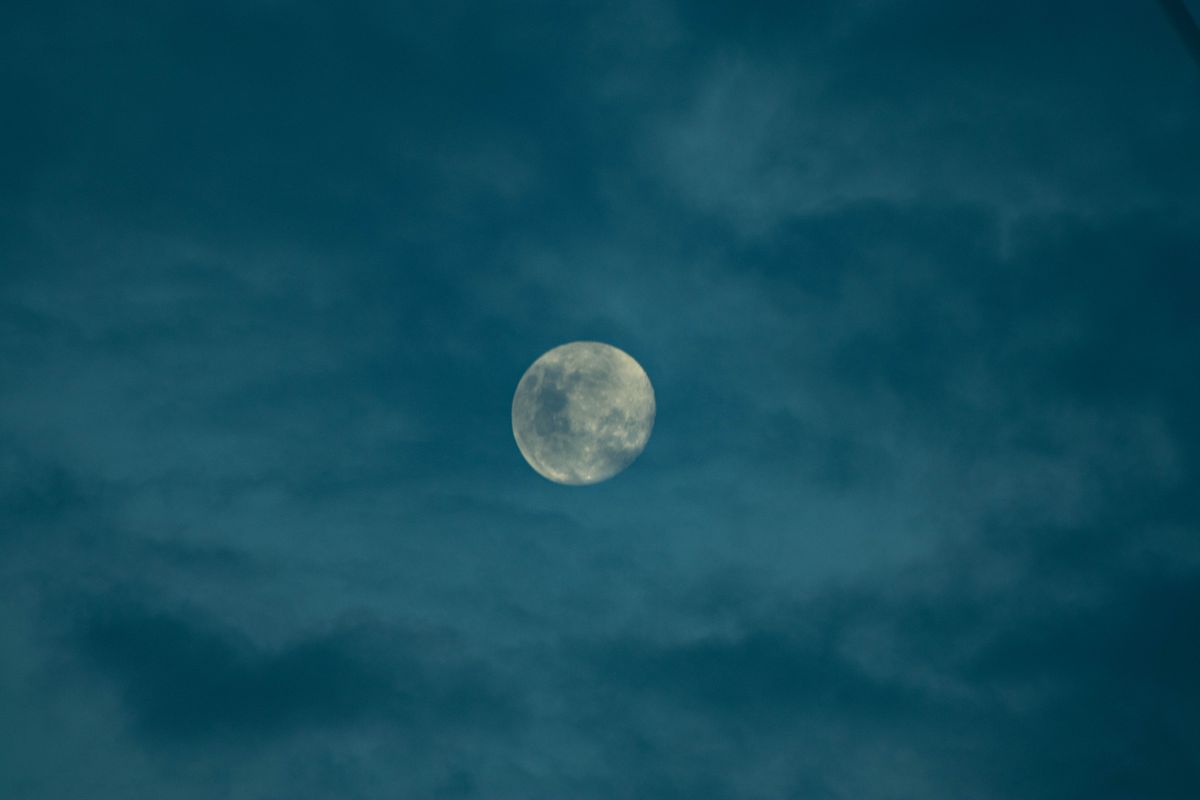
Poya Day is the monthly full moon day, and in Sri Lanka it is a national public holiday every single month without exception. That means twelve Poya Days per year, one for each full moon. For tourists, the most immediate practical consequence is that alcohol sales are prohibited island-wide on Poya Day, covering restaurants, bars, supermarkets, and guesthouses. For some travellers this comes as a complete surprise mid-trip. Knowing it in advance takes all the inconvenience out of it.
What closes on Poya Day. Government offices, banks, and many businesses close. Some local restaurants and shops close or operate reduced hours. However, the tourist-facing infrastructure mostly stays open. Your guesthouse will still be running. Most cafes, restaurants, and tour operators continue. What you will notice is the absence of alcohol: no beer with your beach lunch, no wine with dinner, no cocktails at the bar. The ban is island-wide and strictly observed. Hotels and restaurants cannot legally serve alcohol regardless of what guests request. Plan around it and it is a non-issue.
What happens on Poya Day. Sri Lankans observe Poya as a day of religious significance. Temples are busy and full of devotees dressed in white. It is one of the better days to visit a temple if you want to see it in genuine use rather than as a tourist attraction. The atmosphere is different from an ordinary weekday. Markets selling flowers, oil lamps, and incense operate near major temples. The pace of local life slows. In the beach towns, Poya Days are often quieter and more relaxed than usual.
How to plan around it. Before you travel, search for the full moon calendar for the months you will be in Sri Lanka. Poya Day dates shift each month because they follow the lunar calendar rather than fixed dates. If your trip includes a Poya Day and you have plans that depend on alcohol, adjust them for that day. It is one day per month. Eat well, visit a temple, go for a long swim. It is not a day that ruins a trip unless you were not expecting it.
One thing worth knowing: the day before Poya is often the busiest night in the bars and restaurants of the beach towns, as locals and tourists alike get ahead of the dry day. If you enjoy a lively atmosphere, the evening before Poya can be more energetic than usual.
The Poya Days in the main tourist season run as follows. November Poya falls in the first half of the month, which coincides with the coast reopening after the monsoon. December Poya is close to Christmas in some years, which catches some visitors off guard. January Poya typically falls in the second week. February Poya and March Poya complete the peak dry season.
Knowing Poya is coming is all the preparation you need. It is one of the genuinely distinctive parts of travelling in Sri Lanka rather than something to work around anxiously.