Yala National Park is the most famous wildlife destination in Sri Lanka and has the highest density of wild leopards of any national park in the world. That reputation draws a lot of visitors, which is also the source of Yala's main problem: too many jeeps in Block 1, the most popular zone, converging on the same animals at the same time. Whether Yala is worth it depends almost entirely on how you book it and how you navigate the park.
The honest answer to whether it's worth visiting is yes. Seeing a Sri Lankan leopard walk openly along a track in the early morning, or watching elephants on a beach at the edge of the lagoon, is a level of wildlife experience that is difficult to find anywhere else in Asia. The key is choosing a private jeep with a knowledgeable guide who knows the park's rhythms rather than a cheap shared vehicle that follows the crowd.
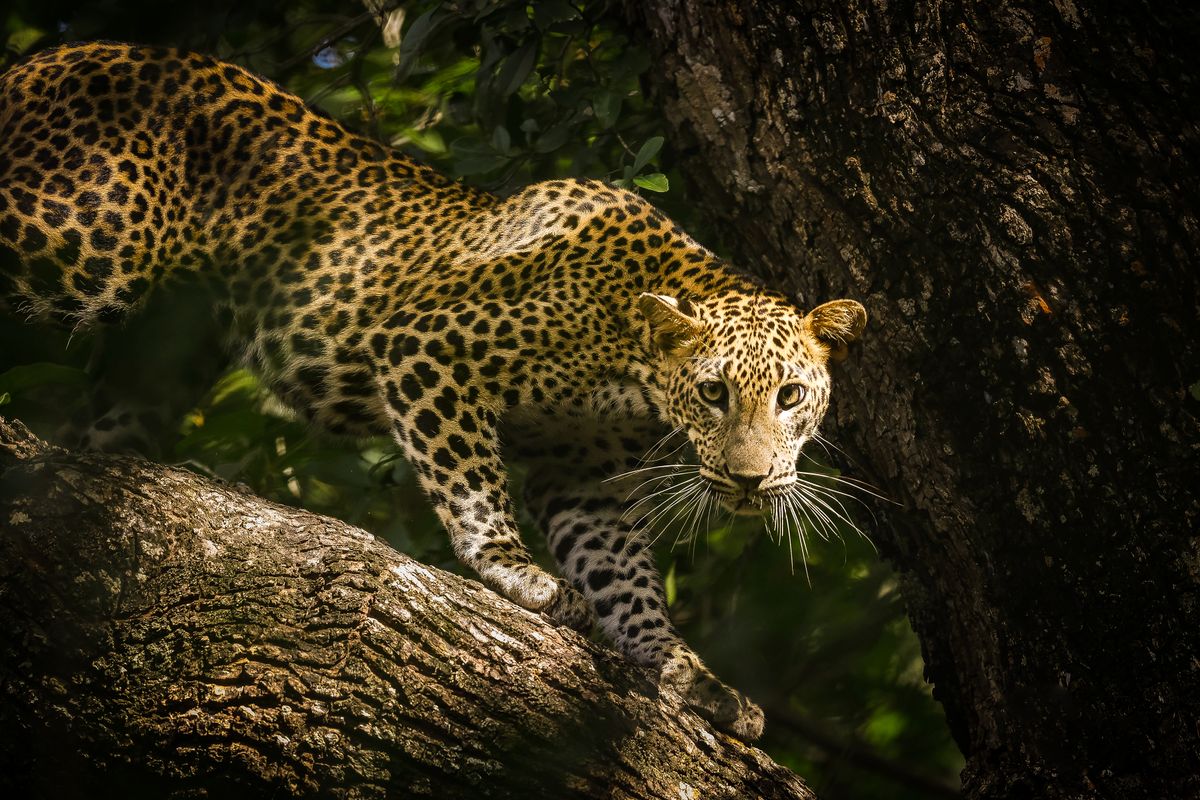
What animals you will see. The park has 44 mammal species and 215 bird species. The Sri Lankan leopard is the main draw. Unlike leopards in Africa or other parts of Asia, Yala's leopards have no lions or tigers to compete with and have evolved to be bold and visible. They are frequently spotted on rocky outcrops, resting in shade, or walking openly on the tracks. Sightings are not guaranteed but on a private half-day safari your chances are around 60 to 70 percent. A full-day safari raises that to over 80 percent. Other reliable sightings include Asian elephants, mugger crocodiles, water buffalo, spotted deer, and peacocks. Sloth bears exist in the park but are elusive and best seen from May to July during the palu fruit season when they come out to feed.
When to go. The best months for leopard sightings are February through June, when the dry season reduces water sources and draws wildlife into the open. January is also good. The park partially closes in September and October for maintenance, so avoid those months. Yala can be visited from the south coast year-round outside the closure window, but dry season visits are more productive for wildlife.
What it costs. Yala's pricing has two parts and this causes more confusion than anything else. The government entrance fee for foreigners is approximately $35 to $40 USD per adult, including service charge and VAT. On top of this, you pay the jeep hire fee to your safari operator, which runs $40 to $80 USD for a standard to luxury jeep carrying up to six people. An all-in package from a reputable operator covering entrance, jeep, and a knowledgeable guide typically costs $90 to $130 USD per person for a half-day safari shared between two people. Watch out for operators quoting a cheap jeep price that does not include the entrance fee: the entrance fee is unavoidable and always added at the gate.
Block 1 or Block 5. Block 1, accessed through the Palatupana entrance near Tissamaharama, has the highest leopard density and is where most visitors go. It also gets the most jeep traffic. Block 5, also called Galge, is quieter with fewer vehicles and is excellent for elephants and scenery. If you want the best chance of seeing a leopard, go to Block 1 as early as possible and enter at 6am when the gate opens. If you want a more peaceful safari with more space, ask your operator to include Block 5.
Getting there from the south coast. From Mirissa or Weligama, Yala is approximately 3 to 4 hours east along the coast road. Most people visiting Yala from the south coast base themselves in Tissamaharama for one or two nights. Your safari operator can typically arrange pickup from your guesthouse in Tissa for the early morning departure. From Ella, the drive to Tissa takes about 2.5 hours. Many travellers do Yala as part of the route from the hill country down to the coast.