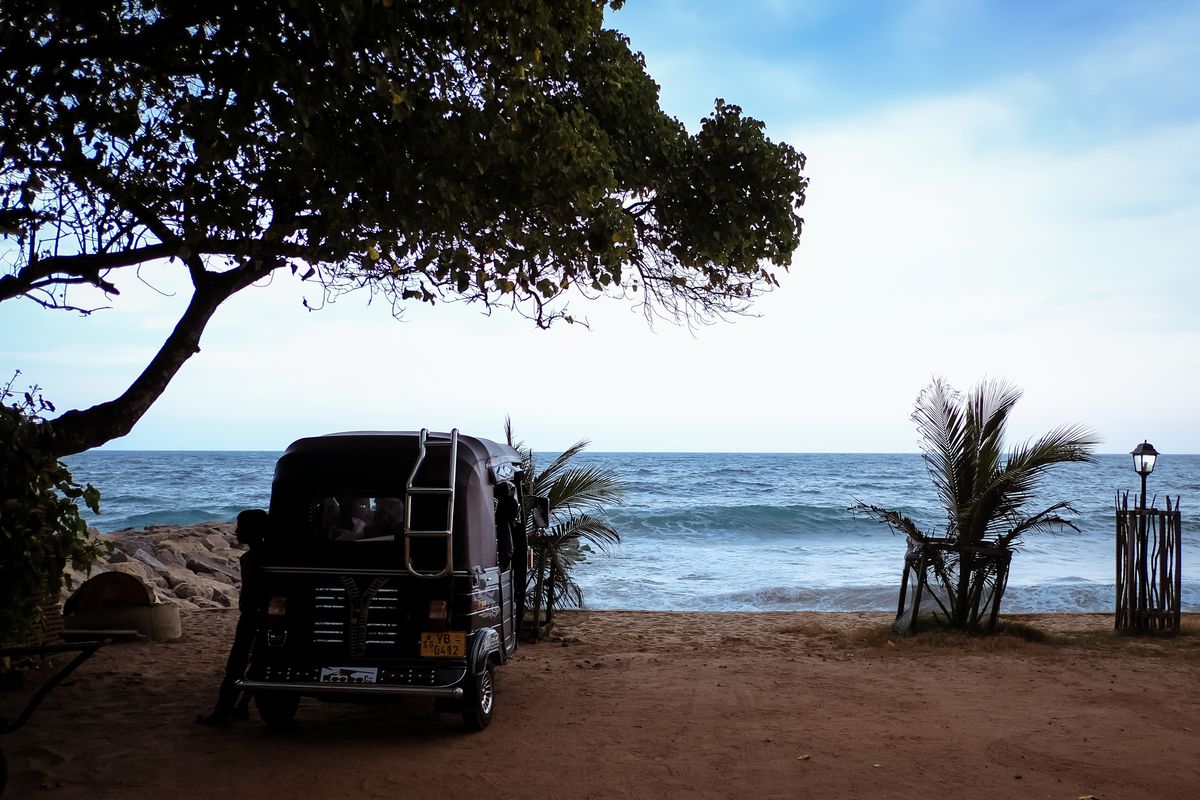
There are about 1.2 million tuk tuks on Sri Lanka's roads, and every one of them is driven by a local. Almost. A growing number are rented by tourists who decided that the best way to see the island was to take the wheel themselves.
It is a genuinely fun idea, and it is also one with real rules, real limits and a fair few myths. This guide covers whether you can drive a tuk tuk yourself, what permits you need, how fast you can legally go, what it costs, which south coast routes make sense, and who should not do it.
Can tourists drive a tuk tuk in Sri Lanka?
Yes. Several companies rent self-drive tuk tuks to tourists, and some of them deliver to Galle, Mirissa, Weligama and other south coast towns. A self-drive rental means you drive the three-wheeler yourself, with no driver, no set route and no tour schedule.
The catch is paperwork. You cannot just turn up with your home licence and drive away.
What licence and permits do you need?
Operators say you need three documents:
- Your home-country driving licence
- A physical International Driving Permit (IDP)
- A Sri Lankan temporary driving permit, also described as a recognition permit, issued through the Automobile Association of Ceylon
Most rental companies arrange the Sri Lankan permit for you. One blog reports a cost of around US$40 per person through the rental company, and another guide puts it at US$30 to US$40. You usually send photos of your licence and passport in advance, and the permit is handed over with the tuk tuk.
Sources are not fully consistent on the details, and one traveller notes that the permit category issued may not satisfy every police officer. Ask your rental company exactly what the permit covers and what to do if you are stopped. Our driving permit guide covers what to get before you fly and what to do if you forgot.
What is it like to drive one?
A tuk tuk is a quirky mix of a car and a motorbike. You twist the throttle like a scooter, brake with a foot pedal and change gears with your left hand. Companies offer a lesson on day one, and most people get used to it quickly.
- Brakes. Tuk tuks use hydraulic brakes without ABS, so brake early and do not take corners fast. Three wheels behave differently from four.
- Hills. On hilly roads, one guide recommends staying mostly in second gear to avoid stalling.
- Wind and noise. It is open on both sides. Long stretches get windy and tiring, for the driver and for passengers.
- Rain. Most tuk tuks come with rain flaps, which cut visibility, so slow down on wet roads.
- Luggage. Space is tight, so travel light.
The rules that matter
- Drive on the left. Sri Lanka drives on the left, and vehicles are right-hand drive.
- 40 km/h is the legal limit. Tuk tuks are limited to 40 km/h by law. Some can go faster, and some travellers admit to going beyond it, but that is the rule.
- No expressways. Tuk tuks, buses, lorries and bikes are not allowed on the E-roads or toll roads, including the Southern Expressway. That means you stay on the old coast road. One operator suggests switching your maps app to its motorcycle mode so you do not enter an expressway by mistake and get fined.
- Daylight only. Operators and travellers consistently advise driving between about 6:00 am and 6:00 pm. Rural roads can be poorly lit, with dogs, cattle and, in places, elephants on them.
- Buses are kings. The bigger the vehicle, the more right of way it takes. Let buses pass.
- Honking is communication. Locals honk to say "I am overtaking", not to be rude.
How much does it cost?
Prices vary widely and change, so treat these as ranges from operators and guides:
- Daily rate: one operator advertises rentals from about US$14 a day with insurance and unlimited kilometres. Another guide puts self-rental at around US$25 a day. A third gives a range of LKR 3,000 to 6,000 a day.
- Permit: roughly US$30 to US$40 per driver through the rental company.
- Delivery and one-way fees: one operator lists about US$40 to US$60 for delivery to south coast towns.
- Fuel: tuk tuks run on petrol, with a tank of about 6 to 8 litres and a range of around 25 km per litre.
One guide makes an honest point: tourists often assume renting is cheaper than hiring a driver or using a tuk tuk, but unless you keep it for around two weeks or more, it usually is not. Our getting around guide compares the options.
Where can you pick one up?
Operators list pickup and drop-off in Galle, Mirissa, Weligama, Unawatuna, Hikkaduwa, Ahangama, Bentota, Tangalle and Matara, as well as Colombo, Negombo, Kandy and Ella. Some allow pickup in one town and drop-off in another, so you can start in Galle and finish somewhere else.
Insurance, breakdowns and checks
Operators say insurance is included, and one reviewer said no deposit was required. Do not rely on that. Before you sign, ask:
- What does the insurance cover, and what is the excess if you damage it?
- What happens in a breakdown, and is there roadside support?
- When is the next service due? Rental firms recommend a check roughly every 1,000 km.
Take photos of the tuk tuk before you leave and check the tyres, lights and brakes. There are mechanic shops in most towns.
Good south coast routes
At 40 km/h and on the coast road, distances take longer than you expect. Plan short days.
- Galle, Weligama, Mirissa: a gentle first day along the A2, with plenty of stops. Our Weligama guide and Galle guide cover the bases.
- Mirissa, Dikwella, Tangalle: a longer day. From Galle to Tangalle is a long drive at this speed, so split it. See our Tangalle guide.
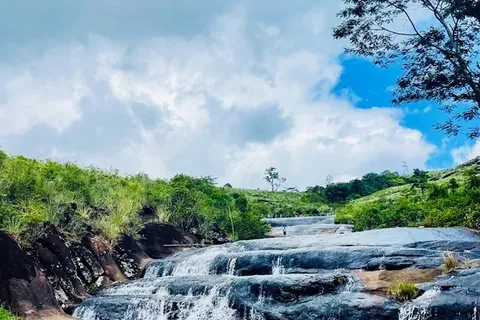
- Inland day trips: Kanneliya, Neluwa Dowili Ella and Patna Sliding Rock are hilly, so expect slow climbs and second gear.
- Yala and Udawalawe: do these in a safari jeep. A tuk tuk is not the right vehicle for the parks.
For a full route idea, see our 5 days in South Sri Lanka itinerary.
What it is actually like out there
Travellers report plenty of smiles, waves and people asking where you are from. Police checkpoints near towns are common, and several guides say officers are usually friendly and curious about foreigners driving tuk tuks. Do not treat that as permission to skip your permit.
Locals often call tuk tuks "three-wheelers", and a rented one gets you a lot of attention. Read why everyone in Sri Lanka asks "Which country?" before you set off.
Security and practical tips
- Lock your luggage with a cable lock, and take a daypack with your valuables whenever you leave the tuk tuk.
- Park where someone can keep an eye on it, and tip them for it.
- Watch for dogs, which sometimes lie in the road.
- Use offline maps or your phone's navigation, and keep all documents with you.
- Keep a cash reserve for fuel and small repairs.
Who should skip it
- Nervous drivers, or anyone not comfortable on narrow, busy roads
- Larger groups and heavy luggage. One pair of travellers found their tuk tuk struggled with four people and backpacks on a hill.
- Anyone who wants to cover a lot of ground quickly
- People who do not want the permit paperwork
For a gentler way to see the coast, a private driver, a hired tuk tuk for a day or a scooter may suit you better. Our scooter rental guide and guide to the coast without a car are good starting points.
Is it worth it?
Yes, if you are comfortable driving in busy traffic, have at least several days, and want something more memorable than a taxi. It is slow, open to the weather and a bit tiring, but it is a very Sri Lankan way to travel.
Skip it if you have a short trip, a tight schedule or no appetite for paperwork. Read our tourist traps guide to avoid overpaying whichever way you travel.
A few things we would know before renting
Do not rely on a home licence alone.
You need your licence, an IDP and a Sri Lankan permit. Confirm it all before you collect the tuk tuk.
Do not plan to use the expressway.
Tuk tuks are not allowed on E-roads or toll roads.
Do not drive at night.
Poor lighting, dogs and wildlife make it much riskier.
Do not underestimate the distances.
At 40 km/h, even short routes take hours.
Do not skip the lesson or the vehicle check.
Brakes, gears and the handling of a three-wheeler need getting used to.
Frequently asked questions about self-drive tuk tuks
Can tourists rent a tuk tuk in Sri Lanka?
Yes, with a valid home licence, an International Driving Permit and a Sri Lankan temporary driving permit, which rental companies usually arrange.
Do I need a special licence?
You need a Sri Lankan temporary permit in addition to your home licence and IDP. Ask your rental company what category it covers.
How fast can a tuk tuk go?
The legal limit is 40 km/h. Some vehicles can go faster, but that is the rule.
Can I drive a tuk tuk on the expressway?
No. Tuk tuks are not allowed on expressways or toll roads.
How much does it cost to rent one?
Quoted prices range from about US$14 to US$25 a day, or LKR 3,000 to 6,000, plus the permit. Check what is included.
Is it safe?
It can be, if you drive in daylight, stay slow and take care. The roads are busy and drivers can be unpredictable.
Can I pick it up in Galle or Mirissa?
Several operators list pickup and delivery in Galle, Mirissa, Weligama and other south coast towns.
Is it cheaper than hiring a driver?
Not necessarily. One guide says it is usually cheaper only if you keep it for two weeks or more.
Can I drive it in the rain?
Most come with rain flaps, but visibility drops, so go slowly.
Final thoughts
Most visitors see Sri Lanka from the back seat of someone else's vehicle. Driving your own tuk tuk is slower, windier and more work, and it is also one of the most memorable ways to travel.
Sort the permit first, stay on the coast road, keep to daylight and give yourself far more time than you think you need.
If you want help planning a route that actually works at 40 km/h, we can do that.