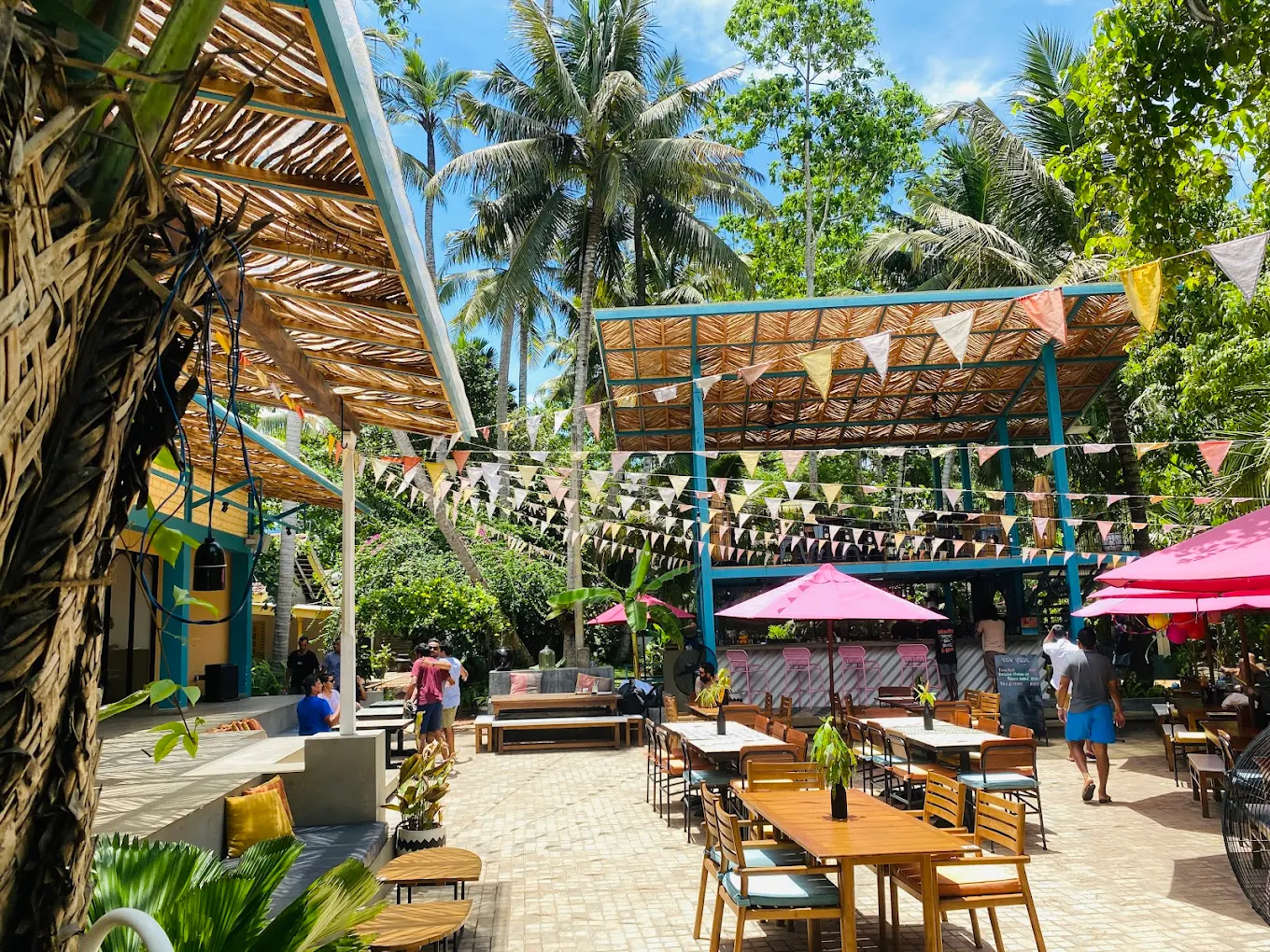

The south coast is one of the most beginner-friendly parts of Sri Lanka to visit. The main towns are easy to navigate, transport between them is straightforward, English is widely spoken in tourist-facing businesses, and the food is excellent at every price point. The things that catch first-time visitors off guard are predictable and avoidable with a small amount of preparation.
Where to start. If it is your first time on the south coast, start in Galle or go straight to Weligama. Galle is the most historically rich town on the coast and has the best concentration of restaurants and cafes in a small area. Weligama is the best all-round base: central, practical, and easy to use for day trips in either direction. Starting in Mirissa, which many people do because it is the most photographed town, works less well as a first base because the town is smaller and has less going on outside the beachfront strip.
How long you need. Five days covers the main highlights if you move purposefully. Seven days gives you time to actually slow down rather than just tick things off. Ten days or more is the right amount if you want to go east toward Hiriketiya, Tangalle, or Yala. Do not try to see the whole coast in three days. You will be exhausted and it will feel like you saw nothing properly.
What to expect from the beaches. The south coast beaches are genuinely beautiful, but they are not all suitable for swimming. The sea here has a swell and a rip current that varies by season and by beach. Weligama bay and Polhena near Matara are the two most reliable spots for calm, safe swimming. Mirissa's main beach is swimmable in the dry season but has rip currents to watch for. Tangalle is better for walking the beach than swimming in it. Before you swim anywhere unfamiliar, ask someone local about the current conditions. Do not judge a beach's safety by how it looks from the shore.
Money and cash. ATMs are available in the main towns but not in smaller spots like Hiriketiya and Talalla. Carry more cash than you think you need before leaving a large town. Most guesthouses and local restaurants do not accept cards. Larger hotels and some cafes do. Do not assume card payments will work anywhere outside Galle and Weligama.
Getting around. Tuk-tuks are the standard way to move short distances. Always agree the price before you get in. Buses run between all the major towns and are cheap, but they can be crowded and require some confidence to navigate. Private taxis and drivers can be arranged through your guesthouse and are worth using for longer journeys. The coastal train from Colombo through Galle to Weligama and beyond is one of the most scenic train journeys in Asia and worth taking at least once.
What to eat and how to order it. The best food on the south coast is at small local restaurants and street stalls, not at the tourist-facing beachfront places. Egg hoppers in the morning, rice and curry packets at lunch, kottu in the evening. These three alone will give you a more authentic and delicious experience of the local food than any tourist menu. Ask your guesthouse where the locals eat. That question is more valuable than any restaurant recommendation we could give you in a blog.
What to skip on a first visit. Hikkaduwa is worth knowing about but not worth a night of your first trip unless you specifically want the party beach scene. Spending a full week in Mirissa rarely ends well for first-time visitors who expected a quiet beach town. Trying to visit Yala and Udawalawe and the entire coast in one trip always leaves people feeling rushed.
The south coast rewards the people who slow down. Pick two or three bases, stay long enough to feel settled in each, and save the rest for the next trip.