If you are coming to Sri Lanka for the first time, one of the things you will probably wonder before you land is:
How much cash should I bring to Sri Lanka?
The good news is that you do not need to arrive with a huge amount of money stuffed into your wallet.
Cards work in many hotels, restaurants, supermarkets and larger businesses, and ATMs are widely available in cities and popular tourist areas. But Sri Lanka is still very much a cash country once you leave the bigger towns.
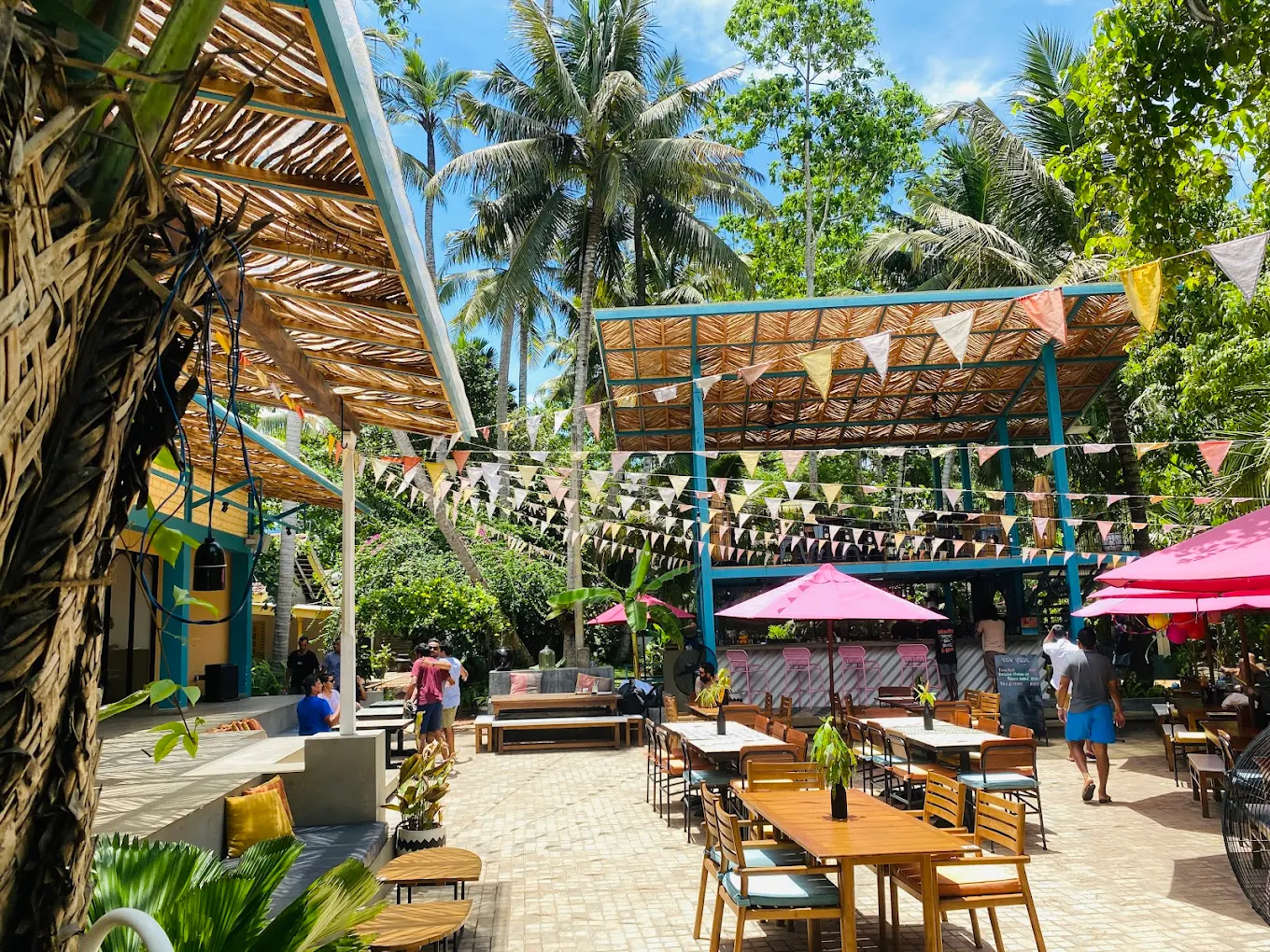
That little beach café, the tuk tuk driver, the roadside shop, the local bakery or the person selling coconuts on the side of the road will often want cash.
So the best approach is not to carry everything in cash. It is to have enough Sri Lankan rupees with you for the day and withdraw more when you need it.
How much cash should you bring to Sri Lanka?
For most travellers with a working international debit or credit card, LKR 20,000 to LKR 30,000 is a sensible amount to have when you arrive.
You do not necessarily need to carry that much every day.
For everyday spending, having around LKR 5,000 to LKR 10,000 on you is usually enough for many travellers, although you may want more if you are travelling through smaller towns, using tuk tuks frequently or staying somewhere where card payments are less common.
The important thing is to avoid carrying your entire travel budget in cash.
Sri Lankan rupees are easy enough to withdraw once you are travelling, particularly around places such as Colombo, Galle, Weligama, Mirissa, Hiriketiya and other popular tourist areas.
Do you need cash in Sri Lanka?
Yes.
You can get by using a card for quite a lot of your trip, but travelling around Sri Lanka with absolutely no cash can become annoying very quickly.
You will probably need cash for things like:
• Tuk tuks
• Local buses
• Small restaurants
• Roadside food
• Small guesthouses
• Beach cafés
• Shops
• Markets
• Entrance fees
• Small attractions
• Tips
• Coconut sellers and other small vendors
It is not unusual to find somewhere that accepts cards in one town and then struggle to use a card somewhere just a few kilometres away.
That is why I would always keep some Sri Lankan rupees in my wallet.
Should you bring Sri Lankan rupees before you arrive?
I would not bother bringing a large amount of Sri Lankan rupees from home.
It is usually more practical to arrive with a small amount of cash and then withdraw Sri Lankan rupees from an ATM once you arrive.
If you want to be completely comfortable when you land, having around LKR 10,000 to LKR 20,000 available is more than enough for your first few expenses.
You may need cash for your transport from the airport, food, a tuk tuk, small purchases or anything else that comes up before you reach your accommodation.
You can then withdraw more once you have settled in.
Are there ATMs in Sri Lanka?
Yes. ATMs are common in Sri Lanka, particularly in larger towns and tourist destinations.
You will find them around Colombo, Galle, Weligama, Mirissa, Matara and other larger centres.
You can also find ATMs in many smaller towns, but I would not leave it until your wallet is almost empty before looking for one.
This becomes particularly important when travelling along quieter parts of the south coast.
If you are heading somewhere more remote, get some cash beforehand.
It is a much nicer feeling than discovering that the only ATM nearby does not accept your card.
Which cards work in Sri Lanka?
Visa and Mastercard are generally the easiest cards to use in Sri Lanka.
Most international travellers should be fine with a normal Visa or Mastercard debit card, although your own bank may charge international transaction or withdrawal fees.
Before travelling, check that your bank allows overseas ATM withdrawals and international transactions.
It is also worth letting your bank know that you are travelling if your bank normally requires this.
Sri Lanka ATM fees in 2026
This is where things can get slightly confusing.
There is no single ATM fee that applies to every foreign card in Sri Lanka.
The cost can depend on:
• The Sri Lankan bank operating the ATM
• Your own bank
• Your card network
• Foreign exchange fees
• The ATM's own fee
• Whether you accept or decline currency conversion
Some Sri Lankan ATMs will display a fee before you complete the withdrawal.
Always read the screen before confirming the transaction.
If the fee looks unreasonable, cancel the transaction and try another ATM.
Your own bank may also charge you separately, so check its overseas withdrawal fees before you travel.
Always choose Sri Lankan rupees
This is one of the most useful things to know when using an ATM abroad.
If an ATM asks whether you want the transaction processed in Sri Lankan rupees or your home currency, choose Sri Lankan rupees in most cases.
You may see something like:
“Accept conversion”
or
“Continue without conversion”
The wording can vary between ATMs.
The ATM may be offering to convert the money for you using its own exchange rate. This is known as dynamic currency conversion.
Your own bank or card network will often provide the exchange rate instead.
So, in simple terms:
Choose LKR and let your bank handle the conversion.
How much can you withdraw from an ATM in Sri Lanka?
ATM withdrawal limits vary between banks and cards.
Some machines may allow relatively small withdrawals while others allow considerably more.
For example, People's Bank currently lists a daily ATM withdrawal limit of LKR 200,000 for its debit cards, although this does not mean every foreign card will be able to withdraw that amount.
Your own bank may have a separate limit.
I would not rely on being able to withdraw a very large amount in one transaction.
If you know you are heading somewhere where ATMs are less common, withdraw enough beforehand.
How much cash should you carry each day?
For many travellers, LKR 5,000 to LKR 10,000 in daily cash is a comfortable starting point.
That does not mean you will spend that much every day.
Some days you might spend very little.
Other days you could easily spend more because of transport, activities, food or entrance fees.
If you are staying in a nicer hotel and paying for meals and activities by card, you may barely use your cash.
If you are travelling around by tuk tuk, eating at small local restaurants and buying things from roadside shops, you will use much more.
The key is to think of cash as your everyday spending money, rather than your entire holiday budget.
How much cash should you carry for a week in Sri Lanka?
If you have a reliable international card, I would not recommend carrying seven days of spending money in your wallet.
Instead, start with around LKR 20,000 to LKR 30,000 and use ATMs during the week when necessary.
You could keep perhaps LKR 5,000 to LKR 10,000 accessible for everyday spending and keep the rest somewhere secure.
Then replenish your wallet every few days.
This is safer and much less stressful than walking around with a huge amount of cash.
How much cash should you carry for two weeks in Sri Lanka?
The same idea applies if you are travelling for two weeks.
You do not need to arrive with two weeks' worth of Sri Lankan rupees.
Bring a reasonable amount when you arrive and withdraw more as you travel.
For a two week trip, I would be more concerned about where your next ATM is than trying to calculate the exact amount of cash you need before leaving home.
If you are travelling through Colombo, Galle, Weligama, Mirissa, Hiriketiya and other popular destinations, you will generally have opportunities to get more cash along the way.
Cash on the south coast of Sri Lanka
This is particularly important if you are travelling around the south.
Places like Galle, Unawatuna, Weligama, Ahangama and Mirissa have plenty of businesses where you can use a card.
But once you start exploring smaller beaches and villages, cash becomes much more useful.
You might find a great little restaurant with no card machine.
Or a tuk tuk driver who wants cash.
Or a tiny beach café that only takes cash.
Or a local bus where you obviously cannot tap your card.
This is part of travelling around Sri Lanka.
The further you get away from the main tourist streets, the more useful cash becomes.
Do you need cash in Weligama, Mirissa and Hiriketiya?
You can use cards in plenty of places in the more popular south coast towns.
Weligama and Ahangama have a particularly good selection of cafés, restaurants, surf shops and accommodation where card payments are common.
Mirissa is similar.
Hiriketiya has also become increasingly geared towards international travellers, so cards are accepted in many popular businesses.
But I would still carry cash.
You do not want to spend your evening looking for an ATM because you found a small restaurant you really wanted to try and they only accept cash.
Should you carry US dollars in Sri Lanka?
You can bring US dollars if you want a backup, but you do not need to walk around Sri Lanka paying for things in dollars.
Sri Lankan rupees are the normal currency for everyday purchases.
If you bring foreign currency, keep it somewhere secure and exchange it through a reputable bank or authorised exchange provider.
For everyday travel, I would much rather have a reasonable amount of Sri Lankan rupees and a working bank card than a wallet full of foreign currency.
Should you use cash or card in Sri Lanka?
Use both.
That is probably the easiest answer.
Use your card for:
• Hotels
• Larger restaurants
• Supermarkets
• Bigger shops
• Online bookings
• More expensive activities where cards are accepted
Use cash for:
• Tuk tuks
• Local buses
• Small restaurants
• Markets
• Small shops
• Roadside food
• Tips
• Small purchases
Having both options means you are rarely stuck.
Keep some emergency cash separate
One thing I strongly recommend is keeping a small emergency amount somewhere separate from your everyday wallet.
For example, you could keep some cash in your main bag and a smaller emergency amount somewhere secure in your luggage.
You do not need hundreds of thousands of rupees.
Even having an extra LKR 10,000 to LKR 20,000 available can make a difference if you lose your wallet, your card stops working or you suddenly need to travel somewhere.
Just do not keep all of your money in one place.
Do not withdraw everything at once
It can be tempting to withdraw a large amount because you do not want to keep paying ATM fees.
But there is a downside.
If you lose your wallet, lose your bag or simply misplace your cash, you have lost a much larger amount.
I prefer to withdraw a sensible amount and top up when necessary.
There is a balance between avoiding unnecessary ATM fees and carrying too much cash.
Keep smaller notes
This is something travellers often overlook.
Having LKR 5,000 is not particularly useful if you are trying to pay for a LKR 300 tuk tuk ride.
Whenever possible, keep some smaller notes with you.
They are useful for buses, small shops, food, tuk tuks and tips.
It also makes paying much easier.
One important thing about tuk tuks
Always agree on the price before getting into a tuk tuk if you are not using a meter or an app.
This is especially important in busy tourist areas.
If you are using a local ride hailing app where available, check the price before accepting the ride.
Having small notes makes these short journeys much easier too.
You do not want to hand over a large note and then spend five minutes trying to get change.
Is Sri Lanka expensive?
Sri Lanka can be surprisingly affordable, but your spending depends heavily on how you travel.
A backpacker staying in simple accommodation and eating local food can spend far less than someone staying in boutique hotels, taking private transfers and eating at expensive restaurants every night.
Your cash requirements therefore depend on your style of travel.
Someone spending most of their time in cafés and boutique hotels may use their card for almost everything.
Someone travelling by local bus, eating local food and exploring small villages will probably use cash much more often.
What I would do before flying to Sri Lanka
If I were planning a trip and wanted to keep things simple, I would do this:
1. Bring a working Visa or Mastercard.
Make sure your bank knows you are travelling and check your overseas fees.
2. Arrive with some Sri Lankan rupees.
Around LKR 10,000 to LKR 20,000 is plenty for getting started.
3. Have a backup card if possible.
Keep it somewhere separate from your main card.
4. Withdraw more when you need it.
Do not carry your entire holiday budget.
5. Keep around LKR 5,000 to LKR 10,000 accessible each day.
Adjust this depending on how you travel.
6. Keep emergency cash somewhere separate.
It is worth having.
7. Always check the ATM screen carefully.
Pay attention to fees and currency conversion.
8. Choose Sri Lankan rupees when given a currency choice.
Let your own bank handle the conversion where possible.
So, how much cash do you actually need in Sri Lanka?
For most travellers, you really do not need as much as you might think.
If you have a working international card, LKR 20,000 to LKR 30,000 is a sensible amount to have when you arrive.
Keep around LKR 5,000 to LKR 10,000 available for everyday spending, then withdraw more when you need it.
If you are heading somewhere quieter or travelling through smaller towns, get some cash beforehand.
The biggest mistake is not bringing too little or too much.
It is assuming you can use your card absolutely everywhere.
You cannot.
Sri Lanka is one of those places where having a few thousand rupees in your pocket makes travelling much easier.
And honestly, that is probably all you need.