Mirissa Sri Lanka is where the south coast route tends to slow down. The beach is a gentle crescent of pale sand, the surf is beginner-friendly at the western end and more interesting at the point, and the town has enough good food and bars to justify staying longer than planned. It sits between Weligama to the west and Tangalle to the east, and it's the best base on the coast for whale watching, which runs from November through April. For a Mirissa travel guide that gives you the full picture, read on.
At a glance: Mirissa is best for travellers who want a proper beach stay, good whale watching, and easy access to both party options and quiet coves. The vibe is relaxed during the day and livelier in the evenings. Budget travellers can manage on $30 to $45 per day. Mid-range is comfortable at $70 to $110 per day. Pros: one of the best beaches on the south coast, excellent whale watching, good food variety, walkable. Cons: it gets very busy from December to March, the peak whale watching months also bring the largest crowds, and some of the beach bars have become touristy and overpriced.
Things to do in Mirissa: 1. Go whale watching. This is the reason many people come to Mirissa Sri Lanka. Blue whales and sperm whales are regularly spotted between November and April, with the peak from January to March. Boats leave the Mirissa harbour at around 6:30am and trips last four to five hours. Book through a licensed operator, not a tout on the beach. The price is similar across operators; the difference is boat quality and whether the crew actually knows how to spot whales.
2. Swim at Mirissa beach. The main beach is about 1.2 km long and sheltered enough for safe swimming at the western end. The eastern end near the point gets rougher. Go in the morning before the sun beds fill the sand. The water is warmest from February to April.
3. Surf Mirissa Point. The right-hand reef break at the eastern end of the beach works on a mid to high tide and is best for intermediate surfers. It's rarely crowded. Board rental is available at the beach shacks nearby. Early morning is the cleanest time to paddle out.
4. Walk to Secret Beach. From the western end of Mirissa beach, a short path over rocks leads to a small, quiet cove with good snorkelling. It's not secret anymore, but it's always quieter than the main beach. Go at low tide and watch the rock ledges.
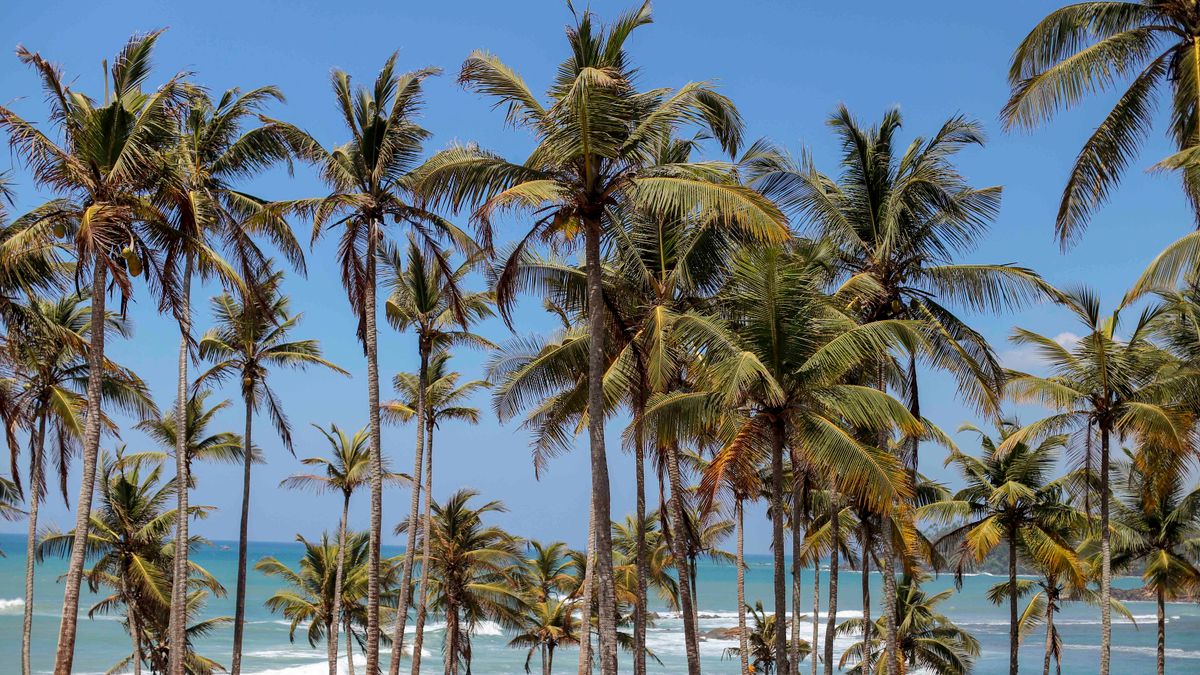
5. Climb to the coconut tree hill. It's a small hill at the eastern end of the beach with a few palms at the top that have become a well-known photo spot. It takes about 10 minutes to climb. Go at sunrise or sunset for the best light and fewer people.
6. Watch the sunset from the beach bars. The western end of Mirissa beach faces directly into the sunset. A cold beer on the sand at dusk is one of the simple pleasures of the south coast. Some of the beach bars are overpriced; the ones slightly back from the waterfront tend to be better value.
7. Eat fresh seafood. Mirissa has some of the best seafood on the coast. Look for the small restaurants on the road behind the beach that serve grilled fish, prawn curry, and devilled squid at fair prices. The rule applies everywhere here: the more tourist-facing the frontage, the higher the markup.
8. Day trip to Weligama. Weligama is 8 km west and takes 20 minutes by tuk-tuk. It has a longer, wider bay, a good surf school scene, and a slightly quieter feel than Mirissa. Good for a half-day if you want a change of pace. The local fish market in Weligama town is worth a look in the morning.
9. Day trip to Hiriketiya. Hiriketiya bay is 16 km east toward Tangalle and is the south coast's most talked-about small beach right now. A horseshoe bay with reef breaks on both sides, excellent coffee spots, and a strong surf community. Takes 30 minutes by tuk-tuk from Mirissa. Combine it with a stop at Talalla on the way back.
Where to stay: Along the Mirissa beach road and the hill above, budget guesthouses and small family-run places run $18 to $35 per night for a double. Mid-range boutique guesthouses with pools and AC are $50 to $90 per night. Higher-end options, mostly on the hills with ocean views, run $100 to $180 per night. Book well ahead for December to March. Direct booking with the guesthouse almost always gets you a better rate than booking platforms.
One-day Mirissa itinerary: 6am whale watching departure, back by 11am, swim and breakfast on the beach, lunch at a back-road seafood spot, afternoon snorkelling at Secret Beach, sunset drinks on the main beach. Two to three day Mirissa itinerary: Day 1 as above. Day 2: morning surf lesson at the point, afternoon tuk-tuk to Hiriketiya and Talalla, back for dinner. Day 3: morning at Weligama by tuk-tuk, then continue west toward Galle or Unawatuna, or east toward Tangalle.
Practical tips: The nearest ATM is in Mirissa town or in Weligama. Carry cash; many beach shacks don't take cards. The main beach road gets congested in high season; walking is often faster. Whale watching boats can be cancelled in bad weather, which is more frequent in May to October. For the best whale watching conditions, November to March is the reliable window. Tuk-tuks between Mirissa and Weligama cost around 500 to 700 LKR; agree on the price before you get in. The bus between Mirissa and Galle takes about 1 hour and costs under 100 LKR.
We are a team of locals from Weligama, just down the coast. We've sent dozens of travellers to Mirissa and know exactly which whale watching operators are worth the money, which guesthouses are genuinely good value, and which beach bars to skip. If you want a personalised south coast itinerary that includes Mirissa alongside Weligama, Galle, Hiriketiya, and the rest of the coast, tell us your dates and we'll plan it for you.