Sri Lanka's south coast is one of the more straightforward places to travel solo in Asia. The practical infrastructure is good, the towns are walkable, the guesthouses are used to independent travellers, and the general level of petty crime is low. But straightforward does not mean problem-free, and a guide that tells you solo travel here is completely without friction is not being honest with you.
Sri Lanka's south coast has very little of that directed at tourists. The genuine issues are tuk-tuk overcharging, occasional commission-based detours by drivers, persistent attention from touts near popular attractions, and, for female travellers specifically, unwanted attention and staring that varies by town and time of day. None of these ruin a trip. Being aware of them before you arrive means they do not catch you off guard.
Tuk-tuks. Always agree the price before you get in. This applies whether you are solo or in a group, but solo travellers are more likely to be tested on it. If a driver quotes you something unreasonable, decline and find another. There is almost always another tuk-tuk. The PickMe app works for metered rides in Colombo and Galle, but it is not reliably available in smaller south coast towns like Weligama, Mirissa, and Hiriketiya.
For female travellers. The south coast is significantly more relaxed than Colombo or the more conservative parts of the country. In the beach towns, covering up is not expected the way it is near temples or in rural villages, and the tourist-heavy areas have a more international atmosphere. Staring does happen. Unwanted approaches do happen, most often in tuk-tuks or near beaches after dark. None of this is inevitable or constant, but it is real enough that solo female travellers consistently mention it. The practical adjustments most people make: pre-arrange transport rather than flagging it down at night, trust your instincts when a situation feels uncomfortable, and get recommendations for drivers and guesthouses from other travellers rather than from touts.
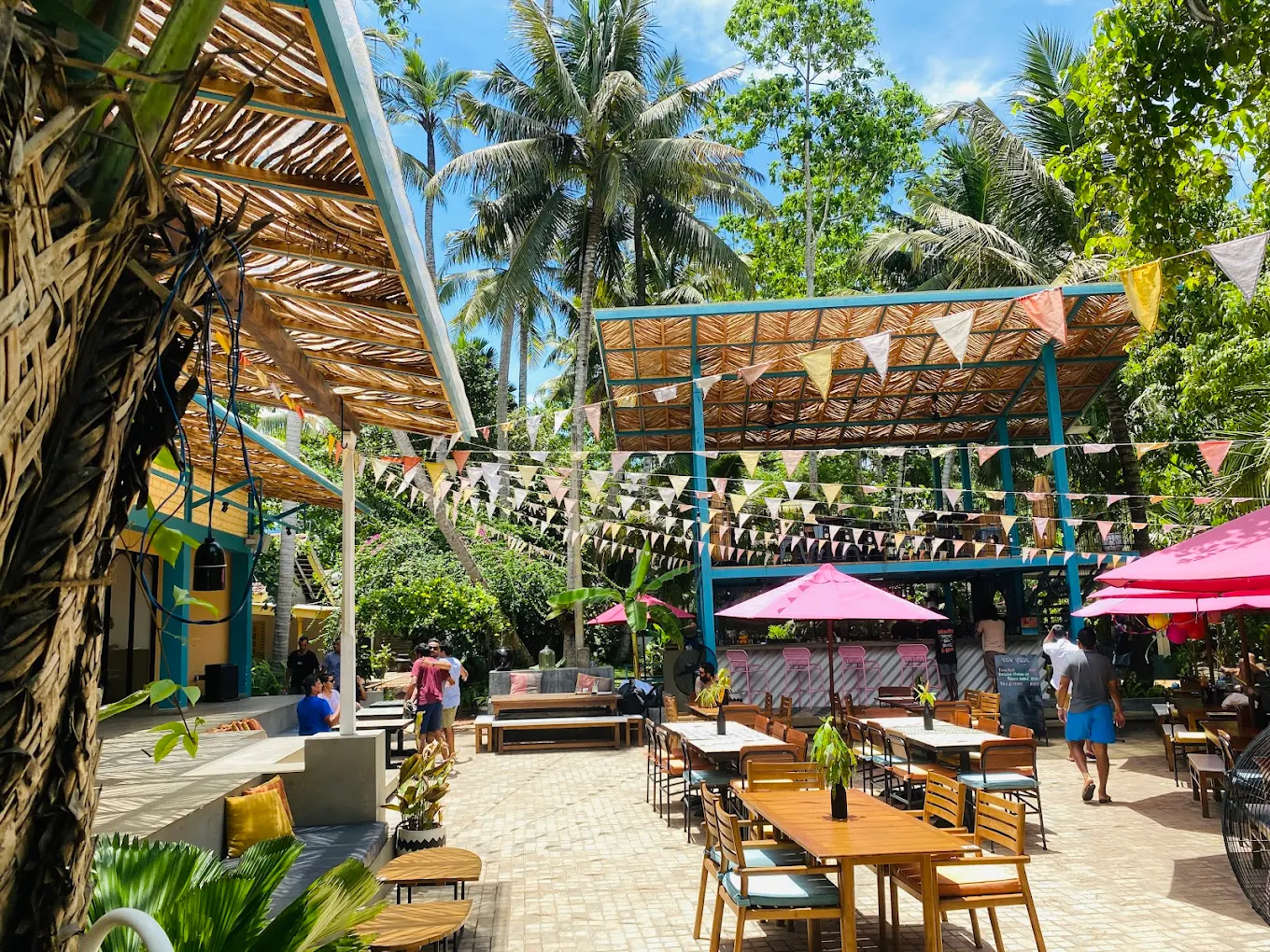
Accommodation. The south coast has a good spread of guesthouses used to solo travellers, including budget-friendly options with private rooms as well as hostels with dorms in Weligama and Hiriketiya. Weligama is the most social base for solo travellers because it has the most other independent travellers passing through. Hiriketiya has a smaller, quieter community that works well if you are happy to be more self-contained. Galle is the best choice if you want the most amenities with the least effort.
Getting around. Buses between major towns are cheap, direct, and easy to use once you understand the system. The southbound bus from Galle passes through Unawatuna, Ahangama, Weligama, Mirissa, Matara, and continues east. You flag it from the road, pay the conductor on board, and the fare between most south coast towns is 50 to 150 rupees. Trains are a more relaxed option and the coastal route is genuinely beautiful.
The things most solo travellers wish someone had told them before they arrived: carry cash because ATMs are scarce in smaller towns and often run out at weekends, write down your guesthouse address before you leave each morning, and do not assume that quiet and empty means safe at night near the water. The sea on the south coast is unpredictable and currents can be strong, especially outside the main season.