The south coast has a strong surfing identity. Most of the blogs about it lead with the wave breaks, and a lot of the guesthouses and cafes cater to surf culture. If you are not a surfer, you might wonder whether the coast is actually the right destination for you. It absolutely is. Surfing is the most visible activity on the coast, but it is far from the only one, and the non-surfers who come here almost always leave wanting to come back.
Beaches and swimming. The south coast has long stretches of sand where swimming is genuinely good. Weligama bay is calm, wide, and safe for a long morning swim. Polhena near Matara has a protected reef lagoon where you can snorkel with wild sea turtles in shallow, flat water. Unawatuna's bay is sheltered. Dickwella Beach is calm and protected by natural reefs. You do not need to surf to spend a full day in or near the water.
Galle Fort. One of the best things to do on the south coast and nothing to do with the sea. The Portuguese built the fort in the 16th century and the Dutch expanded it in the 17th. Walking the ramparts takes about 45 minutes. The lanes inside the walls have colonial-era architecture, boutique shops, cafes in old buildings, and a working lighthouse. The fort is at its best early in the morning before the tour groups arrive. Allow a full morning.
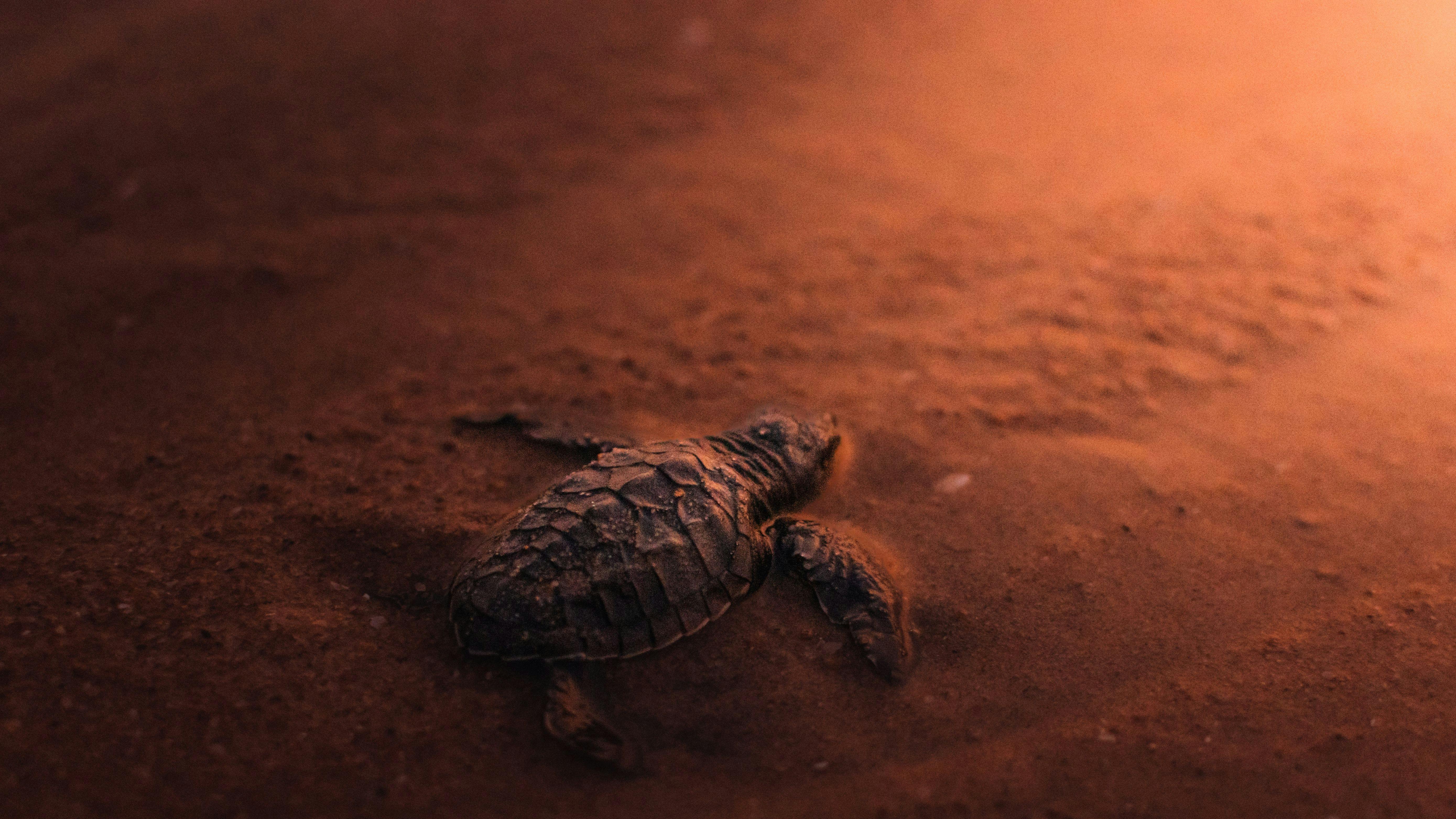
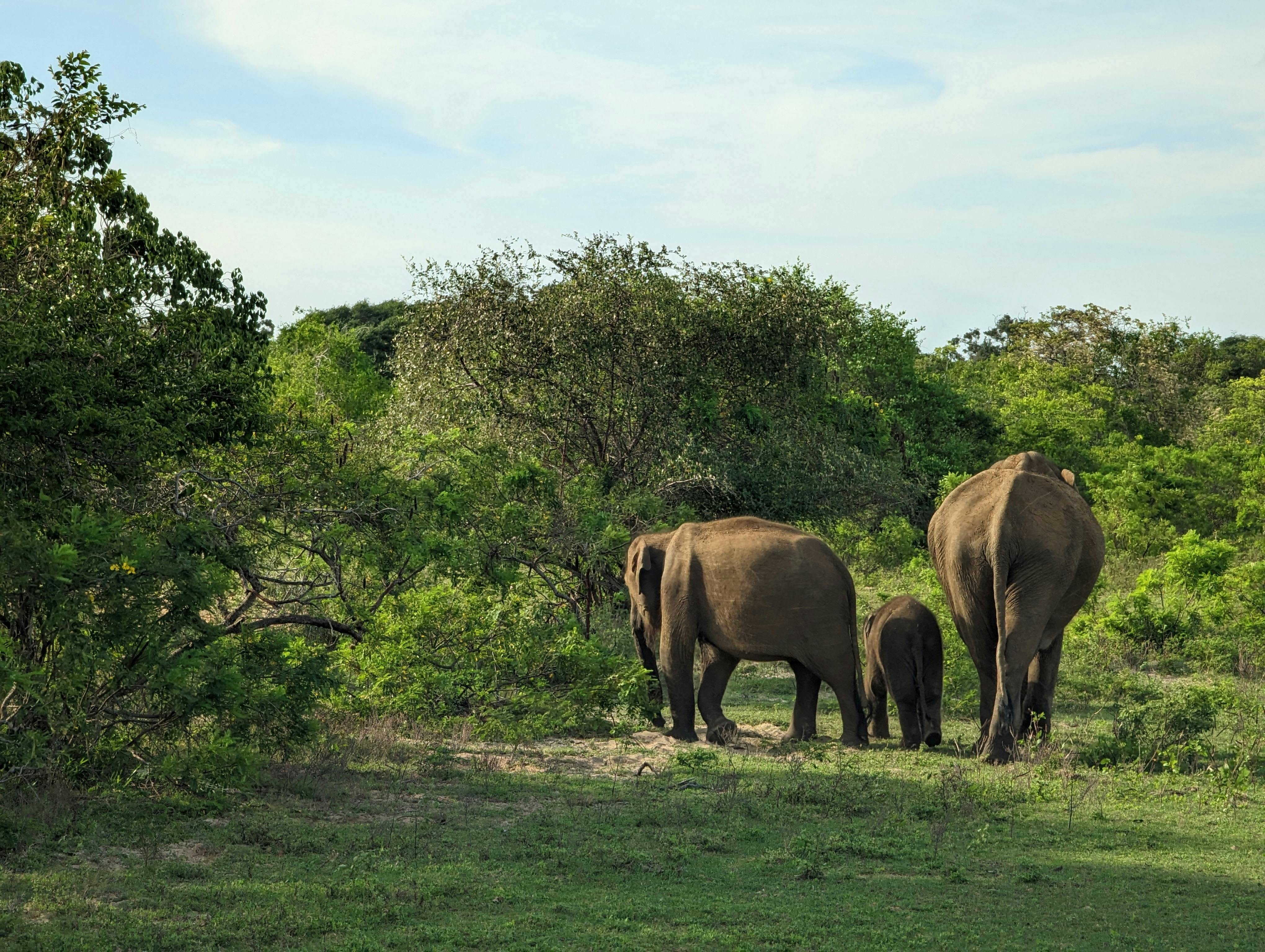
Wildlife. Yala National Park near Tissamaharama is one of the most biodiverse national parks in Asia. Leopards, elephants, sloth bears, crocodiles, and hundreds of bird species live within its boundaries. An early morning safari from the south coast takes a full day but is one of the most memorable things you can do in Sri Lanka. Udawalawe is more reliable for elephant sightings and closer to the coast. Rekawa Beach near Tangalle is one of the few places in the world to watch nesting leatherback turtles come ashore, which happens at night during the nesting season from April through September.
Whale watching. Between November and April, blue whales pass close to the shore off Mirissa. A morning boat trip from Mirissa Harbour is three to five hours and costs around $50 to $80 USD per person. It has nothing to do with surfing and is one of the most impressive wildlife experiences in the region.
Food, culture, and day trips. The Koggala Lake boat safari is a relaxed two-hour trip through mangroves and past small inhabited islands with spice plants and kingfishers. The Handunugoda Tea Estate near Ahangama runs guided plantation walks and tastings. Matara town has a Dutch star fort, a fish market, and Polhena Beach just outside it. The stilt fishermen at Ahangama and Koggala are active in the early morning and evening. Cooking classes run in Galle and Weligama for people who want to understand the food rather than just eat it.
The honest thing to say is that the south coast is not optimised for non-surfers in the way that, say, a European beach resort is. There are no water parks, no organised excursions every morning, and evenings can be quiet in the smaller towns. What it offers instead is genuine natural beauty, good food, interesting culture, and the kind of unhurried pace that people who travel to escape their own schedules tend to find exactly right.