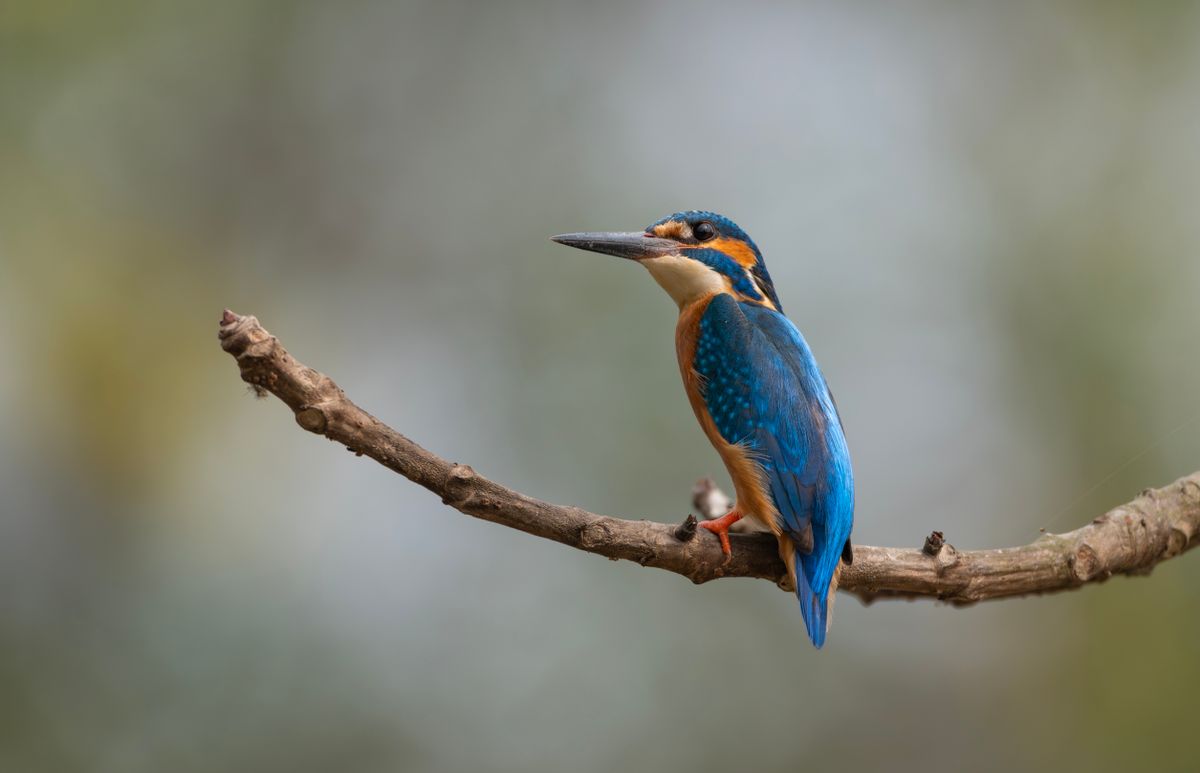
Sri Lanka is one of Asia's best small-island birding destinations. Recorded species run to more than 430, and 34 of them are endemics found nowhere else on earth. The south coast sits in the middle of it, with a rainforest, several wetlands and a handful of lagoons all within a few hours of the beach.
You do not need to be a serious birder to enjoy it. A sunrise boat ride on a lagoon, a flamingo flock on a salt flat and a blue magpie in a forest clearing are some of the best things you can do on a trip here.
This guide covers where to go birdwatching on the south coast, the best time of year, which sites suit which birds, and how to plan a simple route.
Birdwatching on the south coast: the quick facts
- Endemic species: 34 recognised, though the number varies by authority.
- Best season: November to April, when migratory birds are in and the south coast is in its dry season. Migrants start arriving from around August or September, with numbers peaking between December and February.
- Best time of day: dawn and the first two hours of light, and again late afternoon.
- Gear: binoculars, a hat, water and insect repellent. In the rainforest, add leech socks.
- Guides: worth hiring at Sinharaja, where a guide is mandatory.
The best birdwatching sites on the south coast
Sinharaja Forest Reserve: for endemics
Sinharaja is the country's last major lowland rainforest and the best place on the south coast to see endemic birds. It is home to around 20 or 21 of the 34 endemics. Key species include the Sri Lanka Blue Magpie, Red-faced Malkoha, Green-billed Coucal and Sri Lanka Junglefowl. It is also known for its mixed-species feeding flocks, which are often cited as among the largest anywhere.
One birding guide recommends November to April, another suggests January to April for drier trails and avoiding May to July. Our Sinharaja guide covers entry costs, the mandatory guides, leeches and which gate to use.
Kanneliya Rainforest Reserve: a closer rainforest
Kanneliya is a smaller, more accessible forest near Galle, and one guide lists it among the places to see the Sri Lanka Blue Magpie. It is not a replacement for Sinharaja, but it is a good half-day option from the coast. See our Kanneliya guide.
Bundala National Park: for waterbirds
Bundala is a Ramsar wetland, the first in Sri Lanka, designated in 1991. It has recorded 197 bird species, 58 of them migratory, and is best known for its greater flamingos. Other highlights include the Eurasian spoonbill and the black-tailed godwit. Migratory birds are best from around September to March.
Our Bundala guide compares it with Yala and Kalametiya.
Kalametiya Bird Sanctuary: the easy boat ride
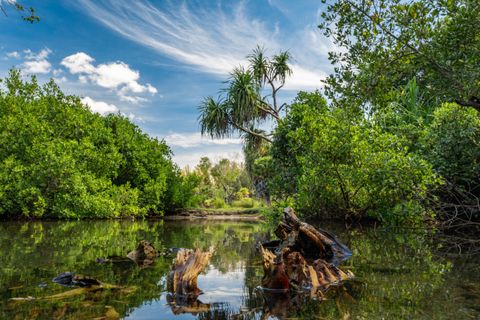
One of the country's oldest bird sanctuaries, Kalametiya has two salty lagoons, mangrove swamps, open areas and pockets of scrub forest. It is a short hop from Tangalle and works well as a boat safari. The best time is from November to March. See our Kalametiya guide.
Wirawila-Tissa Bird Sanctuary: ancient tanks
Near Tissamaharama, this sanctuary combines old irrigation tanks and birdlife, and works well as a base for Yala and Bundala. See our Wirawila-Tissa guide and Tissamaharama guide.
Udawalawe National Park: grasslands and raptors
Better known for elephants, Udawalawe has a large tank, small water bodies and open grassland that suit hornbills, storks and raptors. See our Udawalawe guide.
Yala National Park: a bonus
Yala is mostly visited for leopards, but its varied habitats give it good birding as a bonus. See our Yala guide.
Rathgama Lake, Hikkaduwa: the gentle paddle
A brackish lagoon near Hikkaduwa where kayak trips regularly turn up kingfishers, purple and grey herons, little egrets, cormorants and brahminy kites. See our Rathgama Lake guide.
Madu River and Koggala Lake: mangrove boat safaris
Both are easy half-day boat trips that pass through mangroves. See our Balapitiya guide and Koggala guide.
Birds worth looking for
Endemics (mostly Sinharaja and Kanneliya)
- Sri Lanka Blue Magpie
- Red-faced Malkoha
- Green-billed Coucal
- Sri Lanka Junglefowl, the national bird
- Spot-winged Thrush
Wetland and migratory birds (Bundala, Kalametiya)
- Greater Flamingo
- Eurasian Spoonbill
- Black-tailed Godwit
Easy-to-see lagoon birds (Rathgama, Madu River, Kalametiya)
- Kingfishers
- Purple heron and grey heron
- Little egret
- Little cormorant
- Brahminy kite
A simple south coast birding route
One operator's custom birding route links the main sites in this order: Sinharaja, Udawalawe, Bundala and Kalametiya, with drives of about two hours from Udawalawe to Bundala and about 1.5 hours from Bundala to Kalametiya. That is a good template for a dedicated trip of four to five days.
If you only have a day or two from the beach:
- A lazy morning: a sunrise boat ride at Kalametiya, Rathgama or Madu River.
- A rainforest day: Kanneliya or Sinharaja, with a guide.
- A wetland day: Bundala, on the way to or from Yala or Tissamaharama.
Tips for better birding
- Go early. Birds are most active in the first two hours after dawn.
- Move slowly and quietly. Let the birds come to you.
- Hire a local guide. They know where species hide, and it is mandatory at Sinharaja.
- Keep your distance. Do not chase, flush or get close to nesting birds.
- Do not use recorded calls to lure birds, especially in protected areas.
- Pack for the rain. The forest can be wet, and leeches are common.
- Carry a field guide or an app, and a notebook.
- Respect the rules in national parks, and stay on marked trails.
Is birdwatching on the south coast worth it?
Yes. Even a first-time birder gets plenty from a sunrise boat ride or a morning in the rainforest, and it is a calm change from the beach.
Skip it if you hate early mornings or want to see every species on a list. The best sites are best at first light.
A few things we would know before planning
Do not expect to see all 34 endemics in a short trip.
Sinharaja gives you the most, but not all.
Do not go in the wrong season for migrants.
November to April is best.
Do not skip the guide at Sinharaja.
It is mandatory, and the guide finds the birds.
Do not go at midday.
Birds and light are best in the early morning.
Do not forget leech protection.
Rainforests are wet.
Frequently asked questions about birdwatching in south Sri Lanka
How many bird species are in Sri Lanka?
More than 430 recorded species, with 34 endemics.
Where can I see endemic birds on the south coast?
Sinharaja is the best, with around 20 or 21 of the 34 endemics. Kanneliya is a smaller option.
When is the best time for birdwatching?
November to April, when migratory birds are in. Migrants start arriving around August or September.
Where can I see flamingos?
Bundala National Park is best known for greater flamingos, with the best migratory season around September to March.
Do I need a guide?
At Sinharaja, yes. At lagoons and parks, a guide greatly increases what you see.
What should I bring?
Binoculars, a hat, water, insect repellent and leech socks for the rainforest.
Can I go birdwatching without leaving the coast?
Yes. Boat rides at Kalametiya, Rathgama and Madu River are close to the beach and rewarding.
What is the best birdwatching trip from Galle or Mirissa?
A sunrise boat ride or a day at Kanneliya or Sinharaja. For flamingos, go to Bundala.
Final thoughts
The south coast is known for the sea, but its best birding is just a short drive inland. A flamingo flock on a lagoon, a blue magpie in the forest and a kingfisher on a mangrove branch are all within a day of your hotel.
Get up early, bring binoculars, hire a guide where you need one and keep your distance from the birds.
You do not have to be a birder to enjoy it. You may become one by the end of the week.